
Economy April 12, 2026 02:55 AM

Pope Leo Urges an End to the 'Madness of War' as U.S. and Iranian Talks Continue in Islamabad

At a prayer vigil in St. Peter's Basilica the pontiff pressed negotiators to choose dialogue over rearmament amid efforts to convert a ceasefire into lasting peace

By Leila Farooq
Pope Leo Urges an End to the 'Madness of War' as U.S. and Iranian Talks Continue in Islamabad

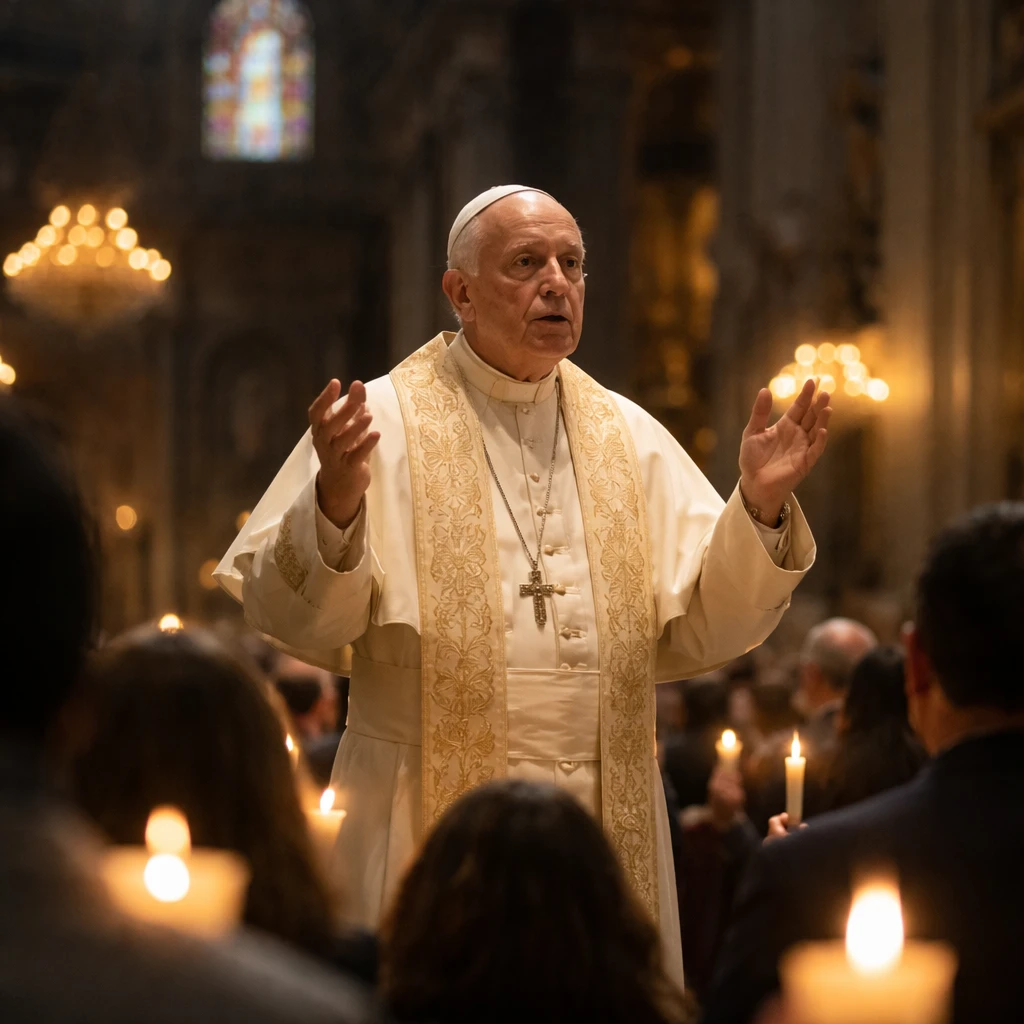
Pope Leo delivered a forceful appeal for an end to the 'madness of war' during a special prayer vigil at St. Peter's Basilica, calling on U.S. and Iranian negotiators meeting in Islamabad to favor diplomacy over military escalation as they seek a permanent resolution to a six-week conflict. The pontiff warned that the global balance of power has been severely destabilized and criticized the use of religious rhetoric to justify violence.

Key Points

  • Pope Leo publicly urged an end to the "madness of war," pressing negotiators to prioritize diplomacy over military escalation - sectors affected: defense contractors, government defense spending, and international diplomacy.
  • Senior U.S. and Iranian officials are meeting in Islamabad to discuss a permanent resolution to a six-week conflict, with the negotiations entering a critical phase - sectors affected: energy markets, regional trade, and sovereign risk assessments.
  • The pontiff condemned the use of religious rhetoric to justify military action and cited letters from children in war zones to highlight humanitarian costs - sectors affected: humanitarian aid organizations and media covering geopolitical risks.

Overview

Pope Leo used a special prayer vigil at St. Peter's Basilica on Saturday to press world leaders to halt what he called the "madness of war," as senior U.S. and Iranian officials met in Islamabad to pursue a permanent settlement to a six-week conflict. Speaking as the first American pontiff, he warned that the global balance of power has been "severely destabilized."

Direct appeal to negotiators

The pontiff addressed those taking part in the Islamabad discussions, urging them to place diplomacy ahead of military buildup. "Stop! It is time for peace!" he said, and he directed negotiators to "sit at the table of dialogue and mediation, not at the table where rearmament is planned."

Those talks bring together senior representatives from the United States and Iran in Pakistan as they attempt to solidify terms that could end the fighting. The Vatican's public intervention aligns with growing moral and diplomatic pressure on the U.S. administration to transform the existing two-week ceasefire into a durable peace.

Language and moral critique

Pope Leo invoked letters he has received from children living in war zones to underline the human cost of the conflict, citing the "horror and inhumanity" described in those messages. He condemned what he termed the "delusion of omnipotence" and the "idolatry of self and money," saying the current fighting is propelled by a display of power that is becoming "increasingly unpredictable."

The pontiff also criticized the use of religious language to justify military operations. He reiterated a position he stated on March 30 that God rejects the prayers of leaders whose hands are "full of blood." He said that "even the holy Name of God, the God of life, is being dragged into discourses of death."

Context within public debate

Conservative commentators have read the pontiff's comments as a rebuke directed at U.S. Defense Secretary Pete Hegseth, who has used Christian themes to defend the joint U.S.-Israeli strikes that began the war. The Vatican's statements underscore a moral argument against framing armed action in explicitly religious terms and add pressure to diplomatic efforts underway in Islamabad.

What to watch

The Islamabad negotiations are entering a critical phase as officials attempt to convert a temporary cessation of hostilities into a permanent settlement. The pope's public admonitions add a moral dimension to what are fundamentally diplomatic discussions, amplifying calls for negotiators to choose mediation and dialogue over plans for rearmament.

Risks

  • Negotiations in Islamabad may fail to convert the current two-week ceasefire into a lasting peace, prolonging uncertainty - impact on defense spending and regional stability.
  • Continued use of religious language to justify military action could inflame public opinion and complicate diplomatic outreach - impact on political risk for markets and diplomatic channels.
  • An unpredictable escalation driven by displays of power could further destabilize global strategic balances, creating volatility for energy and financial markets.

More from Economy

Saudi Reopens Full East-West Pipeline Capacity as Red Sea Exports Rise Apr 12, 2026 Seoul Nears Long-Term Crude Supply Deal with Kazakhstan to Reduce Middle East Exposure Apr 12, 2026 Quantum Computing and Bitcoin: Manageable Risk, Not an Imminent Collapse Apr 12, 2026 Japan seeks closer Asian oil ties as distribution bottlenecks threaten regional manufacturing Apr 12, 2026 Beijing Unveils 'Goodwill' Economic Package Targeting Taiwan After Opposition Visit Apr 12, 2026