
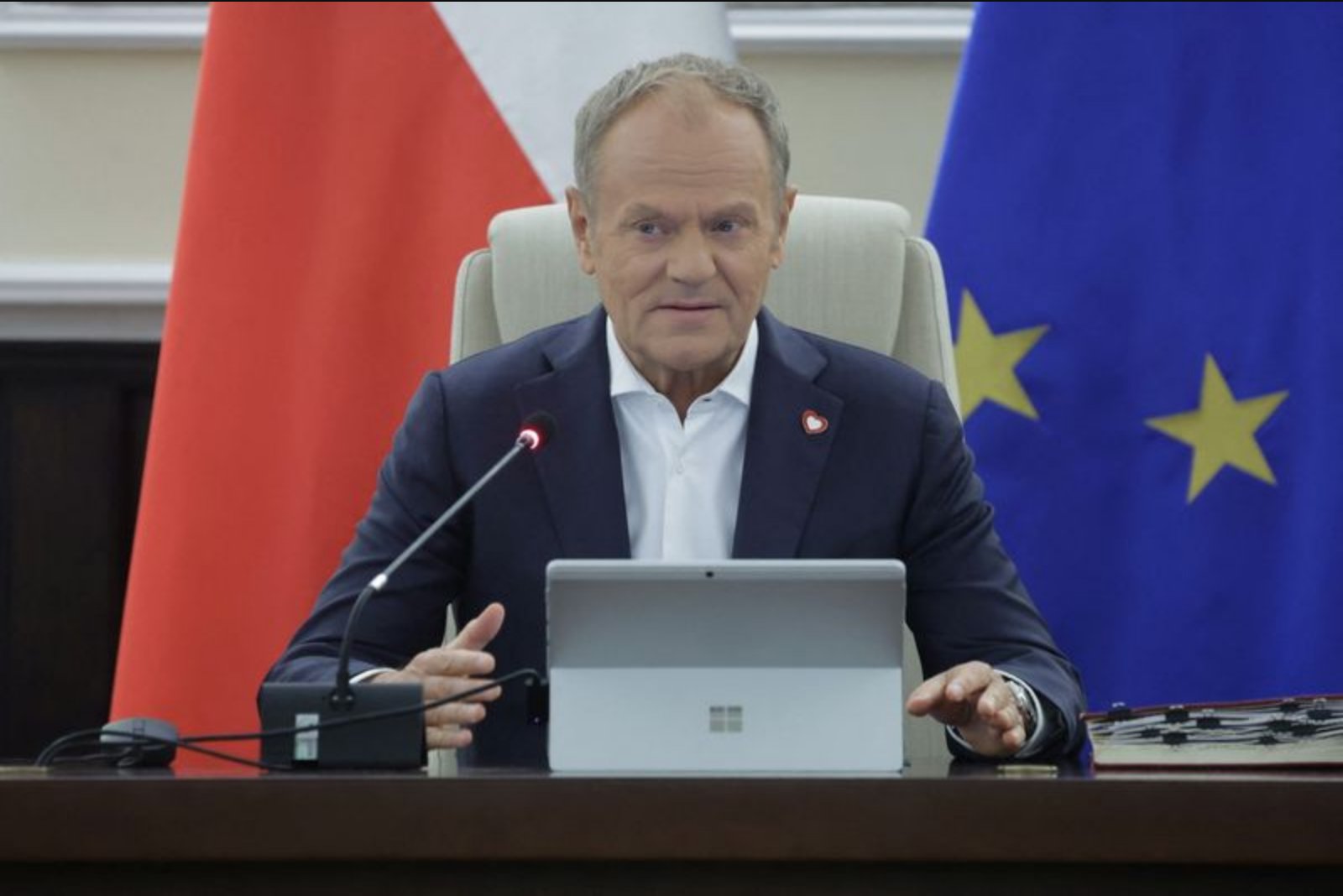
WARSAW, April 13 - Poland’s prime minister said on Monday that the outcome of Hungary’s election undercuts fears Europe was moving inevitably toward authoritarian rule, following the end of Viktor Orban’s 16-year tenure as power shifted to the centre-right Tisza party.
Speaking during an official visit to South Korea and quoted by the Polish state-owned news agency PAP, Donald Tusk said the result in Budapest aligns with other pro-European shifts in the region. "Everyone feared there was a trend toward authoritarian, corrupt regimes," he said. "That’s not the case. First Warsaw, then Bucharest, Chisinau, now Budapest."
Tusk pointed to electoral outcomes in 2025 as part of the pattern he cited: the election of centrist Nicusor Dan as president in Romania and a strong victory by Moldova’s pro-European ruling party over its Russia-aligned rival. He has been an outspoken critic of Orban’s administration for its ties with Moscow, a line he reiterated in his remarks.
On the subject of Hungary, Tusk said: "I’m glad that this part of Europe is showing that we are not doomed to corrupt and authoritarian governments, because that’s what Victor Orban’s government unfortunately became after many years in power."
Poland and Hungary share a long history and close economic connections, and both are members of the European Union and NATO. Tusk stressed those links while discussing how the change in Budapest could affect bilateral ties.
He said he had called Peter Magyar, the Tisza party leader, to congratulate him on the election result. "We briefly discussed his visit to Warsaw," Tusk said. "As you know, he long ago chose Warsaw as his first visit for quite obvious reasons. I think our relationship will be absolutely exceptional."
Context and implications
The comments reflect a narrative from Warsaw that regional elections in recent years point toward a resurgence of pro-European governments in several neighboring countries. Tusk emphasized diplomatic outreach and bilateral cooperation as immediate follow-ups to the vote, without offering specific policy commitments from the incoming Hungarian leadership.
Details on the new government’s program or on concrete steps to deepen trade or security cooperation were not provided in the remarks cited by PAP.