
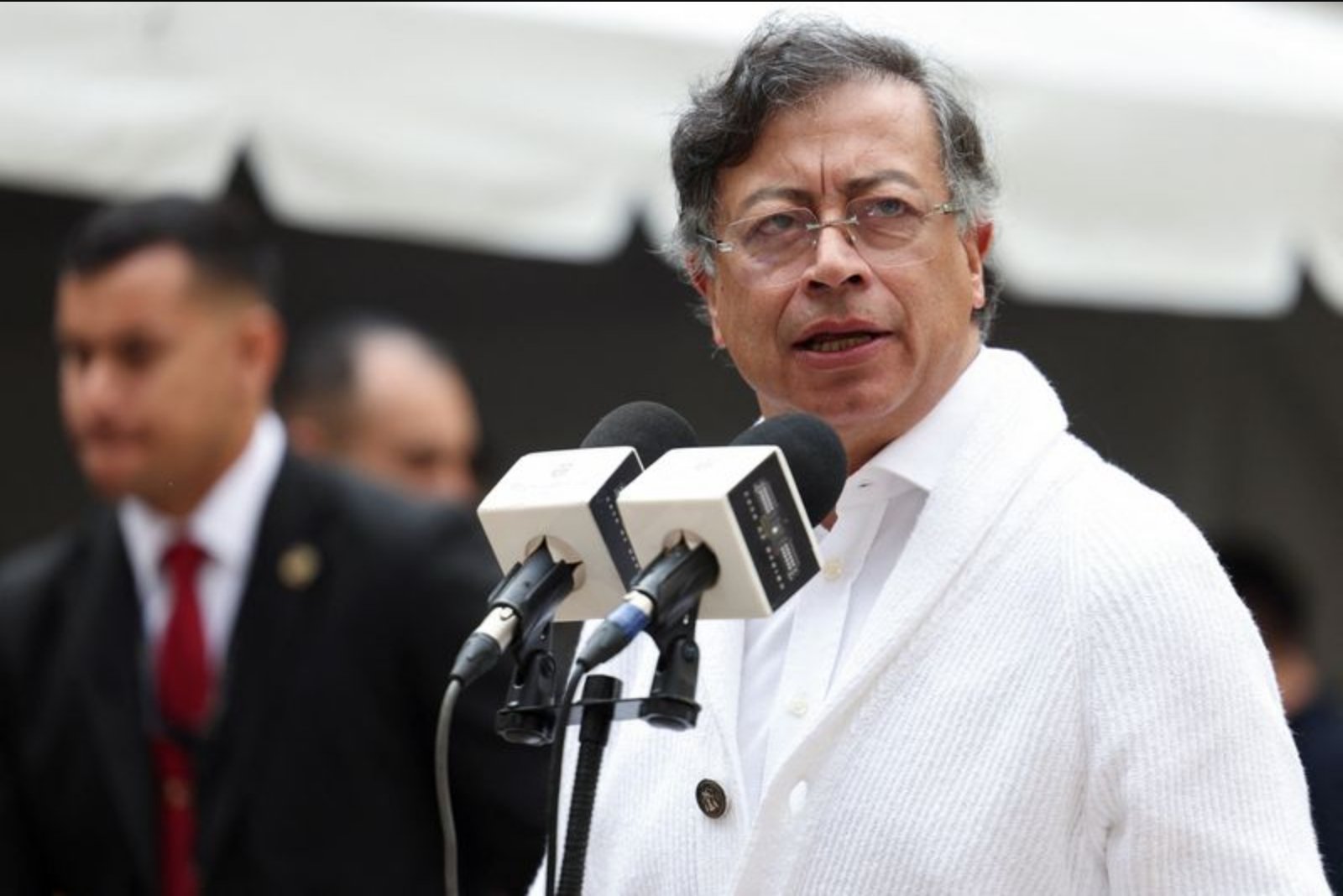
BOGOTA, April 7 - President Gustavo Petro said on Tuesday evening that his government will present an economic emergency decree alongside a tax reform bill to Congress with the stated purpose of balancing the national budget for 2026.
In a televised address, the president said the measures are designed to protect living standards. "If necessary, we will declare a new economic emergency in Colombia because what we must save is the standard of living, which is now much higher than at any time in history," he said.
Petro also directed his interior minister to submit a tax reform proposal to Congress to help finance what he described as an unbalanced 2026 budget. The administration did not provide a figure for how much revenue the proposed tax changes are expected to generate.
The president made clear that legislative approval is the preferred path, but he repeated that his administration would resort to issuing an economic emergency decree to implement the measures if Congress does not approve them. He did not elaborate on the contents or scope of the decree or of the tax reform bill beyond their shared objective of addressing the budget shortfall.
Context and procedural notes
The announcement comprises two linked actions: the submission of a tax reform bill through the interior ministry to Congress, and the filing of an economic emergency decree that could be enacted if parliamentary approval is not forthcoming. Details on revenue targets, specific tax measures, timing, or legislative negotiating plans were not disclosed in the address.
Implications highlighted by the statement
- The administration is prioritizing measures it says are necessary to preserve current standards of living.
- Congress remains the initial venue for these proposals; the executive has signaled a fallback to decree power if necessary.
- Key fiscal parameters, including the expected proceeds from the tax reform, were not specified, leaving the magnitude of the budgetary adjustment unclear.
Note on available information
Public remarks on Tuesday outlined the government's intentions but provided limited detail. The absence of specified revenue figures or the content of the proposed measures constrains immediate assessment of their budgetary effect or sectoral impact.