
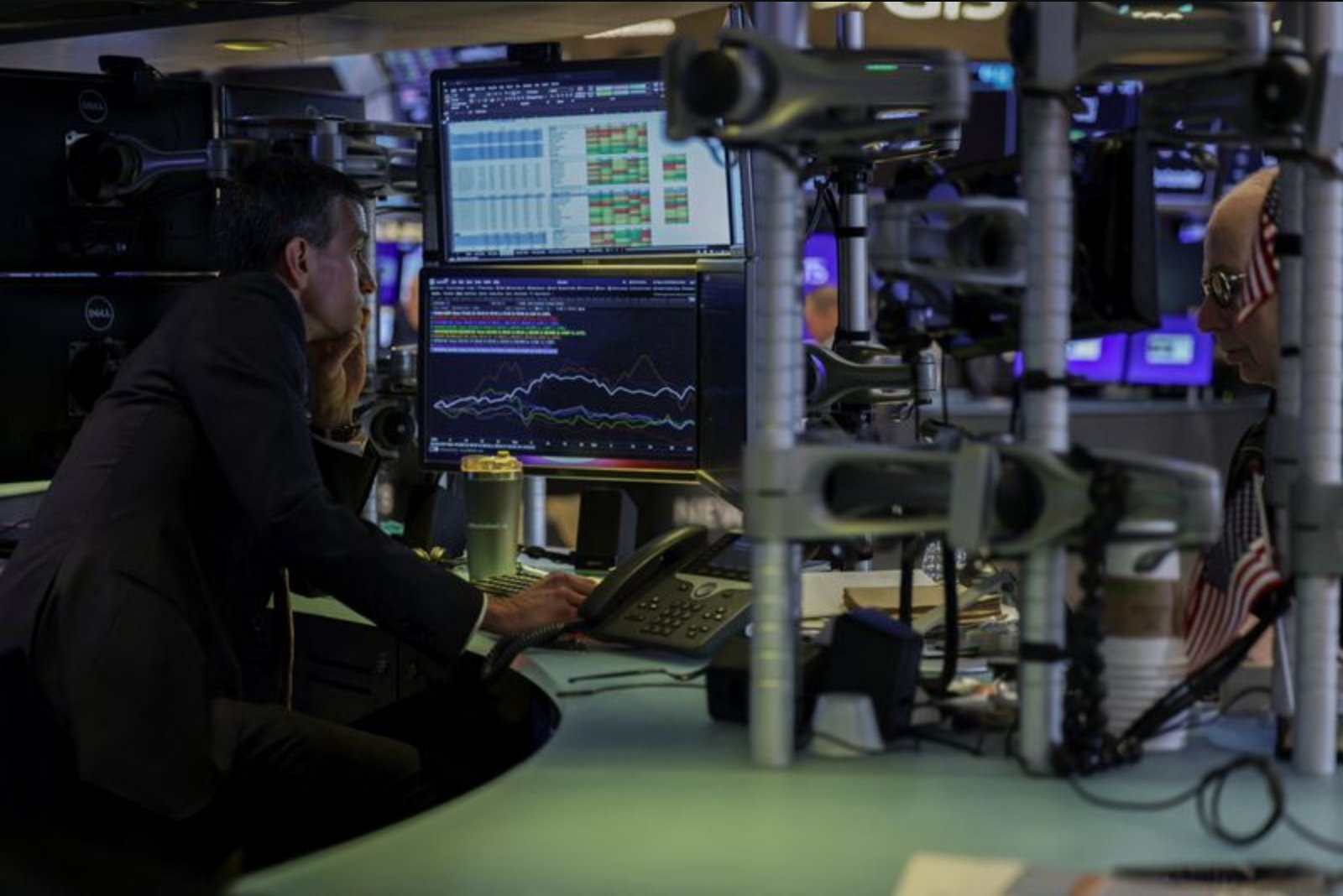
U.S. stock index futures jumped on Wednesday after officials announced a two-week ceasefire between the U.S. and Iran. The accord was revealed late on Tuesday, coming hours before a deadline set by former President Trump, who had warned that the U.S. would carry out devastating attacks on Iran's civilian infrastructure if Tehran did not reopen the strategic Strait of Hormuz.
The ceasefire announcement produced an immediate, broad-based rally across global asset classes. Major equity indexes in Asia and Europe rose in the 4% to 5% range, reflecting a rapid adjustment of risk sentiment. Crude oil prices fell sharply - rolling 16% to trade near $90 a barrel - as market participants priced in the prospect of resumed energy flows from the Middle East. The dollar, which had benefited from safe-haven demand during the past month, weakened about 1% versus the Japanese yen.
Investors have been navigating the volatility stemming from a conflict that has stretched beyond a month. The market response has been colored by mixed public signals: on multiple occasions, Trump suggested an earlier end to the fighting, while Iranian officials denied reports that negotiations were taking place. The pause in hostilities appeared to reduce near-term risk premia across both commodities and equities.
Market participants remain mindful of the economic tradeoffs. A prolonged conflict and persistently elevated energy prices were cited as potential drags on growth and as factors that could complicate the Federal Reserve's monetary policy path. March marked the benchmark S&P 500's largest monthly decline in a year, underscoring how geopolitical developments have influenced equity performance in recent weeks.
Short-term Treasury yields fell on Wednesday, signaling a pullback in market expectations for near-term interest rate moves. Interest rate futures, as compiled by LSEG, indicate that investors now expect the Federal Reserve to leave borrowing costs unchanged over the remainder of the year. Before the onset of the conflict, traders had been pricing in at least two 25-basis-point rate cuts this year; at one point last month, however, rising inflation concerns had shifted market bets toward the possibility of a rate hike.
At 03:17 a.m. ET, futures were markedly higher across key U.S. benchmarks: Dow E-minis were up 1,083 points, or 2.31%; S&P 500 E-minis rose 168.5 points, or 2.53%; and Nasdaq 100 E-minis gained 790.5 points, or 3.24%. Futures tied to the rate-sensitive Russell 2000 Index jumped 3.4%, while contracts linked to the CBOE Volatility Index, Wall Street's fear gauge, fell 4.8 points to a level not seen in more than two weeks.
The ceasefire reduced immediate tail-risk concerns and pushed markets to reprice expected growth and policy outcomes, though the underlying conflict and energy price dynamics remain key factors investors will monitor closely.