
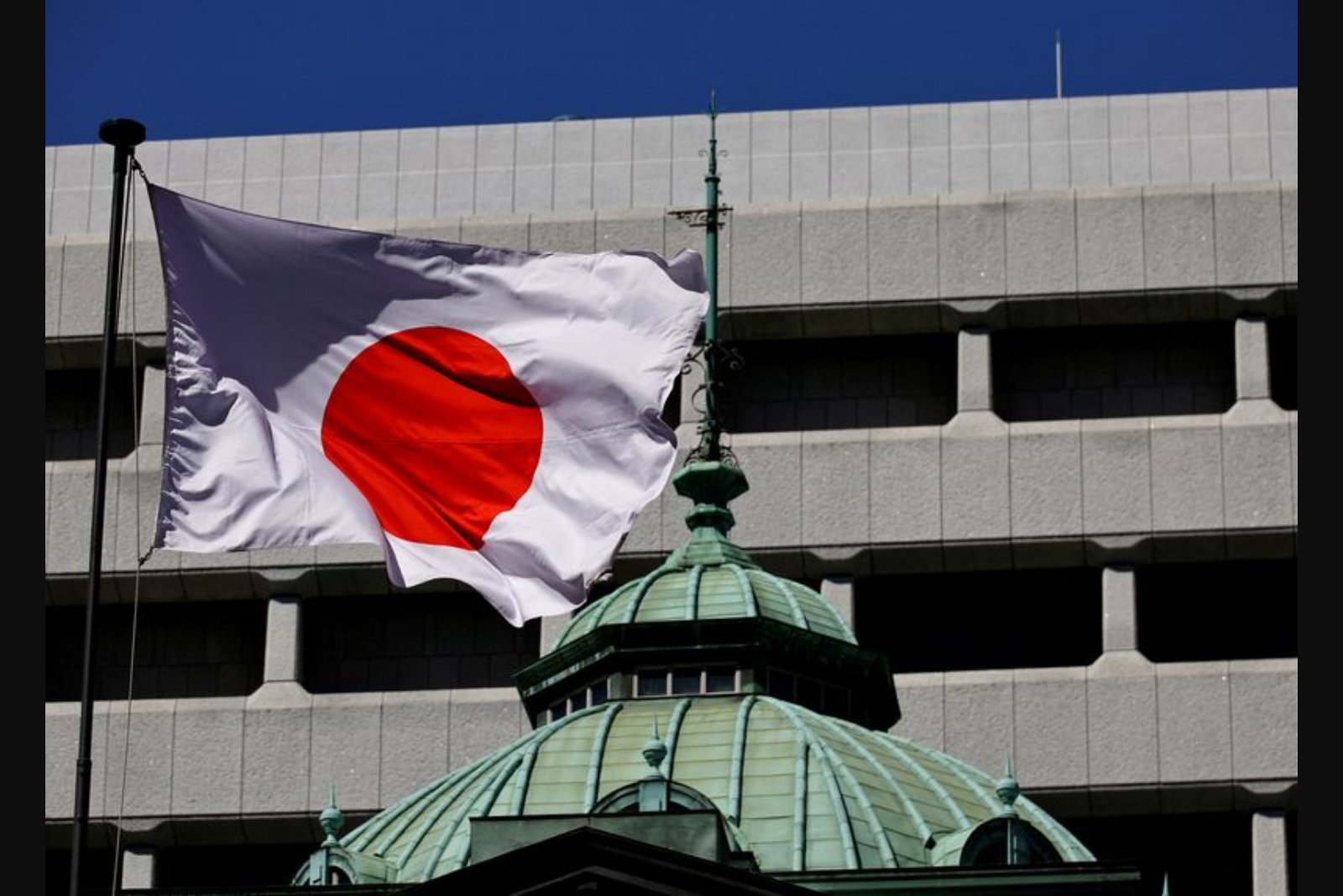
As the Bank of Japan approaches its April 27-28 policy meeting, a once-realistic expectation of a rate increase in April has dimmed amid persistent volatility linked to the ongoing Middle East conflict. The faltering prospect of a rapid ceasefire and continuing disruption from Iran - including its blockade of the Strait of Hormuz - have complicated the central bank’s already delicate balancing act between inflation risks and growth headwinds.
Officials at the BOJ have set a hawkish tone this year and have taken steps to prepare markets for a near-term policy tightening. Yet sources familiar with the bank’s internal discussions say policymakers remain divided: some emphasize rising inflationary pressures, while others prefer to delay action until the economic fallout from the conflict becomes clearer.
That division is sharpened by external developments. The BOJ’s late-April meeting falls one week after the deadline for a fragile ceasefire brokered between the United States and Iran, a truce that has so far failed to end Iran’s disruption of shipping routes in the Gulf. The continuing uncertainty surrounding the conflict has increased the difficulty of signaling policy intent in advance, a practice the BOJ has used in recent meetings to avoid unnerving markets.
One source closely following BOJ thinking summed up the dilemma: "It’s up to how the BOJ balances upside risks to inflation and downside risks to growth, which is hard to judge with so much uncertainty surrounding the Iran war." Another source echoed this view, noting the bank faces an unusually high degree of external risk at the moment.
Deputy Governor Ryozo Himino spelled out the practical consequence of those risks in public comments: "If the Middle East conflict persists and works to push down growth while accelerating inflation, it would pose a dilemma and difficult problem for us," he said on Friday, adding that the bank would assess the scale and duration of the shock.
With the conflict’s trajectory unclear, the BOJ may find it difficult to issue the sort of advance signals its officials have relied on to guide market expectations. Analysts say that could mean heightened market swings regardless of whether policymakers opt to raise rates in April.
Naomi Muguruma, chief bond strategist at Mitsubishi UFJ Morgan Stanley Securities, warned of that very risk: "If there’s no additional hints from the BOJ, markets will start reducing bets of an April action. That means if it does hike, the move could surprise markets and push up bond yields. But keeping rates steady could also push up yields and weaken the yen on fear the BOJ is behind the curve in addressing inflation. So either way, markets won’t take it very well."
There are limited public opportunities for the BOJ to clarify its intentions before the meeting. Governor Kazuo Ueda is scheduled to deliver a short speech on Monday and is expected to hold a news briefing after attending IMF and G20 meetings in Washington later in the week. The governor might also be called to speak before parliament, though those dates are not prearranged. Given the unpredictability of the external shock, however, even these occasions may offer only partial clarity.
The case for moving ahead with rate hikes rests on several established internal signals. The BOJ’s policy rate sits at 0.75% - still below levels typically considered neutral for the economy - while inflation has hovered around the bank’s 2% target for nearly four years. Bank officials have repeatedly pointed to mounting price pressures, releasing a new gauge showing underlying inflation exceeding the target and publishing a paper arguing Japan may now be more prone to sustained inflation than in earlier periods.
Market pricing reflected that hawkish tilt: following the BOJ’s sharp communications in March, investors had been placing roughly a 60-to-70% probability on an April rate increase. Supporters of an early move also point to the risk that higher oil prices would feed through to a broad array of goods, compounding upward pressure as firms raise wages and pass on rising input costs. Trade Minister Ryosei Akazawa added to that line of argument on Sunday, saying an April hike "could be among options" to support the currency given Japan’s relatively low real interest rates.
Yet the same conflict that could push inflation higher also threatens to damage growth in ways that would weigh on the BOJ’s decision. Japan’s economy is particularly exposed to disruptions in fuel supplies from the Middle East. While government subsidies have helped limit the immediate impact on fuel bills, surveys in March showed a sharp deterioration in both business and household sentiment. Regional branch managers of the BOJ have warned of downside risks to growth.
Those developments feed the concerns of the bank’s more cautious officials. Dovish policymakers argue that raising rates amid deep uncertainty and heightened market volatility could undermine confidence and exacerbate an economic slowdown. If the war drags on, supply shortages could intensify and further depress activity, complicating the inflation-growth trade-off the BOJ must weigh.
In light of those risks, the bank is expected to revise its outlook at the April meeting. Sources say the BOJ will likely lower its growth forecasts while raising its inflation projections in the quarterly report that accompanies the decision.
The difficulty of deciding when to act is summed up by Seiji Adachi, a former BOJ board member: "The BOJ will probably raise rates again in April, June or July," he said, "But whether it hikes in April would be a tough call, as doing so would mean pulling the trigger when the economic impact of the war remains unclear."
For markets, the immediate consequence is greater uncertainty about the BOJ’s next move. If the bank withholds clear guidance ahead of the meeting, both the potential for a surprise hike and the risk of market disappointment from inaction increase. Either scenario could push bond yields higher and put further pressure on the yen, complicating the policy backdrop for Japan’s heavily trade-dependent economy.
What to watch next
- Governor Ueda’s brief public remarks and the post-G20/IMF news briefing for any fresh signals on policy intent.
- Developments in the Middle East, particularly any escalation or easing of Iran’s blockade of shipping routes, and their immediate effects on market volatility and energy prices.
- The BOJ’s quarterly report at the April meeting for revised growth and inflation forecasts, which will frame the policy decision.