
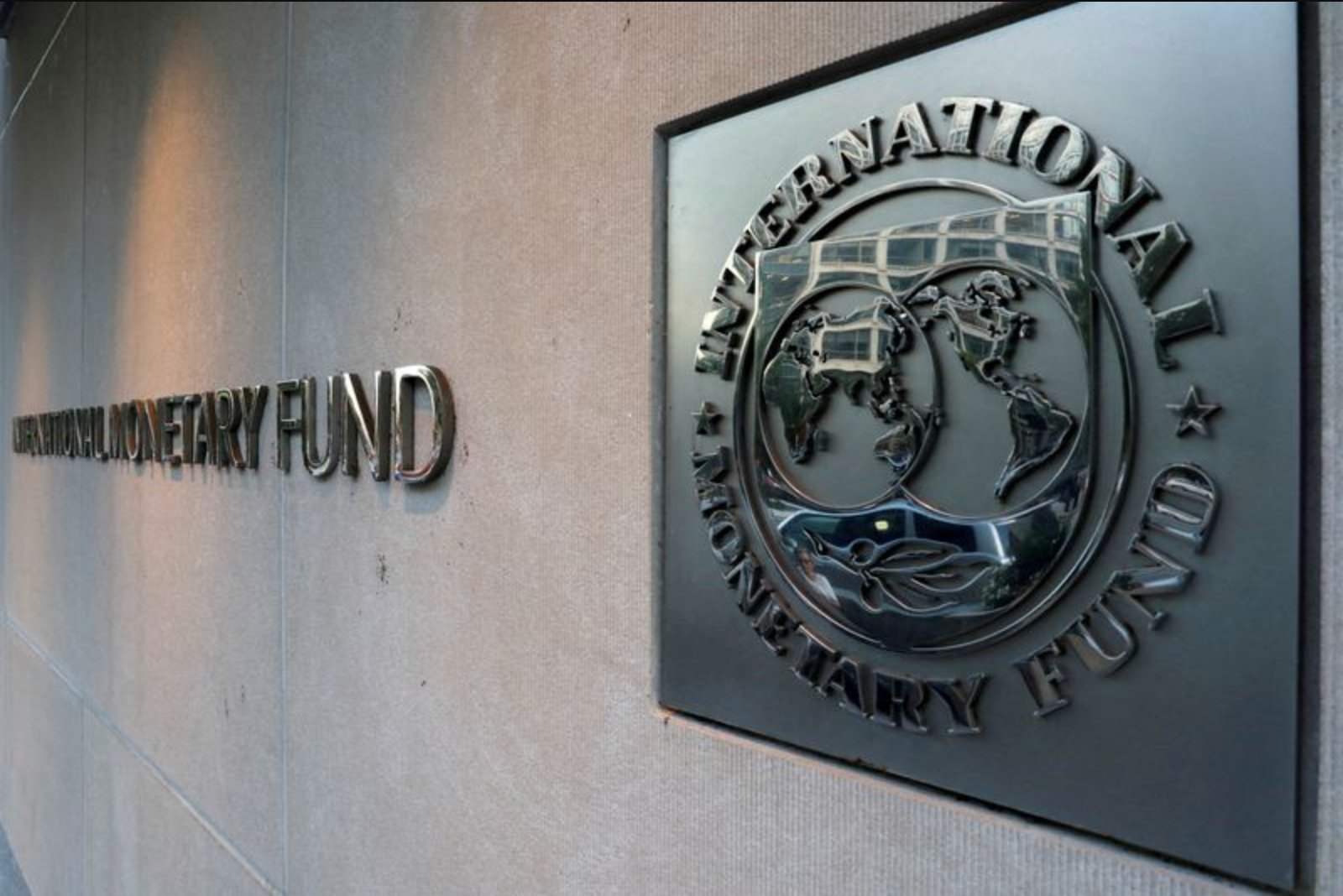
Alarm over the economic fallout from the Iran war increased as finance officials began convening at the International Monetary Fund in Washington this week. The conflict - identified as the third major global shock after the COVID pandemic and Russia's invasion of Ukraine - has driven several governments to announce support packages and ask for international assistance to blunt the impact of surging energy costs.
Any remaining hopes for a quick resumption of oil flows through the Strait of Hormuz were diminished after U.S.-Iran talks over the weekend failed, leaving an already fragile ceasefire in greater jeopardy. The halt to shipments through the strategically critical strait since the war began on February 28 has produced what officials described as the world's worst ever disruption to supplies, and that ripple effect is being felt across regions.
The IMF and the World Bank have indicated they will revise down their projections for global growth and lift their inflation forecasts as a direct consequence of the conflict. Officials warn that emerging markets and developing economies will bear the brunt of the shock.
Nigeria flags need for support
Nigeria said it would require enhanced international assistance to help offset domestic fuel price pressures, even as higher crude prices have bolstered foreign exchange earnings for the country. Finance Minister Wale Edun said: "The shock comes at a critical transition point, intensifying inflationary pressures and raising living costs for households." He noted that local petrol prices have risen by more than 50% and diesel by more than 70% since the start of the conflict, and warned that the shock risks undoing stabilization and growth-promoting measures launched in 2023.
Wider policy responses
Governments across the globe have been mobilizing measures intended to conserve energy or cushion consumers and businesses from soaring costs. Germany's coalition, which had earlier been reluctant to offer fiscal relief, announced relief worth 1.6 billion euros through cuts to levies on diesel and petrol. Chancellor Friedrich Merz framed the move as a response to an external cause, saying: "This war is the real cause of the problems we are experiencing in our own country as well."
Sweden also unveiled a package to reduce the impact of the shock, cutting fuel taxes and increasing electricity subsidies in measures valued at around $825 million. Sweden's Finance Minister Elisabeth Svantesson described the actions as "a signal that we will do whatever it takes to ... dampen the blow to households of what is happening now."
In the United Kingdom, the finance minister is scheduled to outline measures later in the week to assist firms facing high energy costs. In a column for the Sunday Times, the finance minister wrote that UK manufacturers had "faced uncompetitive energy prices for too long." Separately, Prime Minister Keir Starmer invoked a more unsettled global landscape as he explained plans to strengthen alignment with the European Union and its single market, stating: "We're in a world where there's massive conflict, great uncertainty, and I strongly believe the UK's best interests are in a stronger, closer relationship with Europe."
Monetary policy dilemmas
Central banks are confronting fresh dilemmas as the war reshapes the balance between growth risks and inflationary pressures. Policymakers are assessing how much the rise in crude costs will feed through to broader price dynamics, creating the potential for simultaneous slower growth and higher inflation - a scenario often characterized as stagflation.
European Central Bank Vice President Luis de Guindos said any decision to raise rates would hinge on how higher oil prices influence price-setting across the economy. In Japan, policymakers at the Bank of Japan are keeping options open ahead of their rate-setting meeting this month, although the chances for a rate hike that had previously been seen as a strong possibility have faded.
The confluence of an energy supply shock, elevated inflationary pressure, and the risk of weaker growth is dominating discussions among finance officials gathered for the IMF meetings in Washington. With governments announcing targeted relief and multilateral institutions preparing to downgrade prospects for growth and upgrade inflation expectations, officials and markets alike are watching how these policy moves will interplay with central bank decisions and the evolving geopolitical situation.