
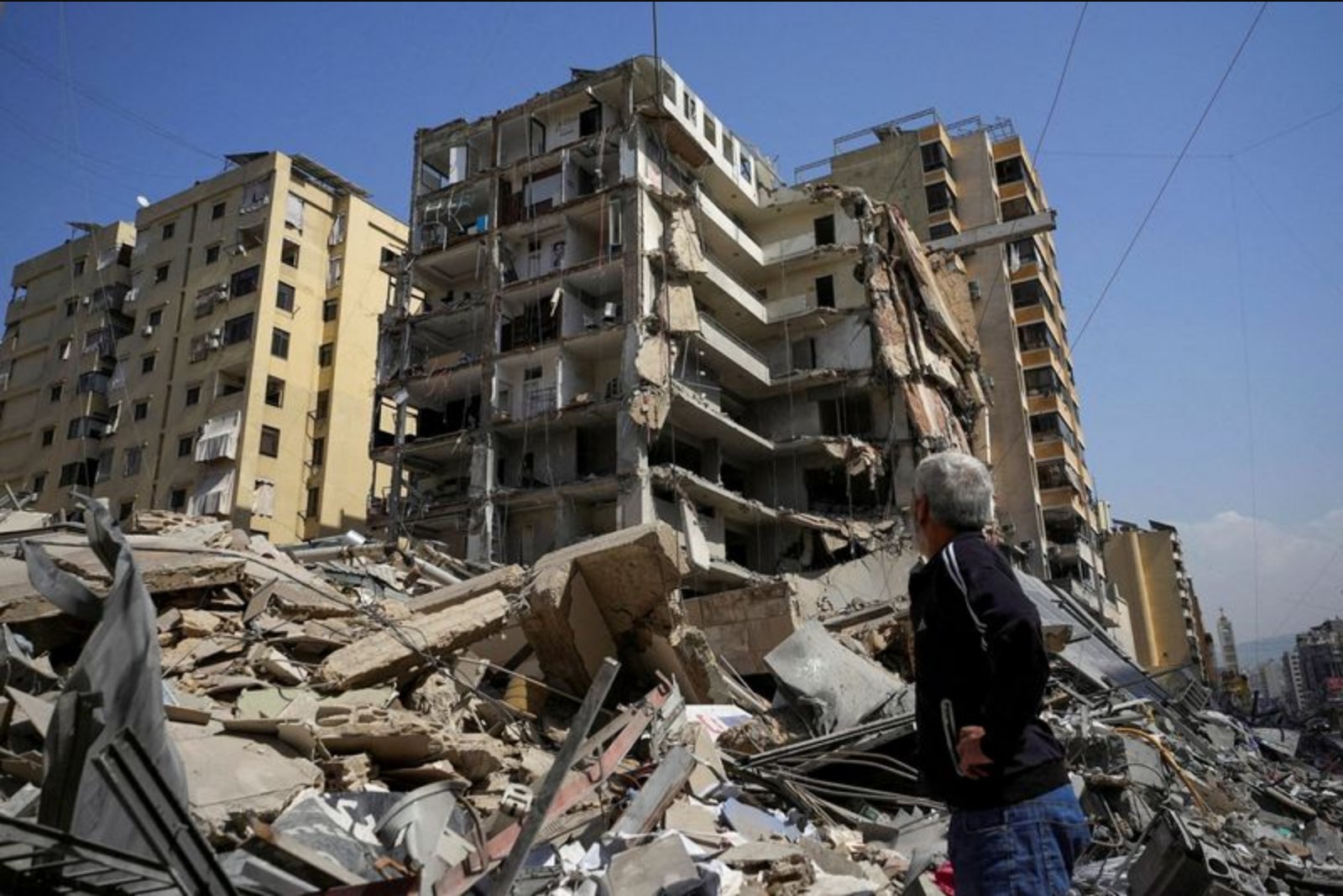
The International Monetary Fund released research on Wednesday concluding that wars impose substantial and enduring economic damage on the countries where they occur. The IMF's analysis, presented in two chapters of its forthcoming World Economic Outlook, estimates that output in nations experiencing active conflict falls by roughly 7% on average over a five-year span, and that the economic consequences often persist for more than a decade.
The chapters focus on the costs of active conflicts - which the IMF notes are now at the highest levels since the end of World War Two - and on the macroeconomic effects of sharp increases in military outlays. The full World Economic Outlook is scheduled for release next Tuesday. The two chapters released in advance do not examine the recent Middle East war or the two-week ceasefire announced by U.S. President Donald Trump late on Tuesday, but they provide a comprehensive empirical record of wartime economies dating back to 1946 and include weapons spending data for 164 countries.
Using the most recent available data for 2024, the IMF reports that more than 35 countries experienced conflict within their territory and that about 45% of the global population lived in countries affected by conflict. In an accompanying blog, the IMF summarized the finding bluntly: "Beyond their devastating human toll, wars impose large and lasting economic costs, and pose difficult macroeconomic trade-offs, especially for those countries where the fighting is taking place."
The IMF's chapters distinguish between countries that suffer direct physical destruction and those that engage in foreign conflicts without major damage on their own soil. The research shows that while countries that avoid domestic physical destruction can limit direct output losses, neighboring states and major trading partners still feel significant economic spillovers. The chapters also underline that "Output losses from conflicts persist even after a decade and typically exceed those associated with financial crises or severe natural disasters."
Beyond GDP losses, the IMF identifies several common macroeconomic strains that accompany conflict. These include sustained depreciation of exchange rates, persistent losses of foreign reserves, and rising inflation. The institution links these symptoms to widening external imbalances that amplify overall macroeconomic stress.
The IMF has signaled that it expects to adjust its near-term outlook because of recent hostilities. Managing Director Kristalina Georgieva told Reuters on Monday that the IMF is poised to cut its global growth forecast and raise inflation predictions as a result of the Iran war. The World Bank's president, Ajay Banga, said on Tuesday that the war would produce some degree of slower growth and higher inflation regardless of how quickly it ends.
Military spending: A global surge
The IMF research documents notable increases in weapons and defense spending worldwide. Rising geopolitical tensions and a greater frequency of conflicts have driven substantial jumps in military outlays. According to the IMF, roughly half of all countries increased their military budgets over the past five years, with further increases anticipated as NATO members plan to boost weapons spending toward a target of 5% of GDP by 2035.
At the same time, arms sales by the world's largest weapons manufacturers - many of which are based in the United States - have doubled in real terms over the last two decades. The IMF finds that large defense spending booms are occurring more often, particularly in emerging-market and developing economies. Typical booms last about two and a half years, during which military spending surges by roughly 2.7% of GDP.
Financing these buildups has placed pressure on public finances. The IMF reports that around two-thirds of observed military spending booms were financed through higher fiscal deficits. While higher deficits can provide a medium-term boost to economic activity, they have also been associated with higher inflation and medium-term fiscal challenges. For that reason, the IMF emphasizes that defense spending expansions need close coordination with monetary policy.
Budgetary strains and policy trade-offs
The chapters quantify how military build-ups affect fiscal balances and public debt. On average, fiscal deficits worsened by about 2.6 percentage points of GDP and public debt rose by roughly 7 percentage points within three years from the start of a buildup. In about one-quarter of the cases studied, governments financed defense increases by reprioritizing existing spending, which often led to sharp reductions in social program budgets.
IMF economist Andresa Lagerborg described this pattern in a taped discussion about the chapter, noting the tendency for social spending to be cut as defense priorities grow. The research also finds that the domestic economic benefits of military purchases were smaller when arms were bought from foreign suppliers. The IMF therefore highlights the potential advantages of focusing public investment on domestic equipment and infrastructure - moves that would expand market size, support economies of scale, and strengthen industrial capacity while limiting the loss of orders to overseas firms.
Fragility of peace and recovery priorities
One of the stark data points in the chapters is the fragility of peace after conflict subsides. IMF economist Hippolyte Balima, a lead author of the chapters, noted that about 40% of countries relapse into conflict within five years. Given that risk, the chapters stress early stabilization actions as critical to durable recoveries. Those steps include stabilizing the economy, restructuring debt where needed, securing international support, and pursuing domestic reforms to lay groundwork for stronger recoveries.
Taken together, the IMF's research paints a picture of war as not only a humanitarian catastrophe but also a prolonged economic burden. The combination of output losses, fiscal pressure from military buildups, exchange rate and reserve stress, and potential cuts to social spending creates a set of policy challenges that policymakers must navigate carefully to restore stability and growth.
Summary
The IMF's forthcoming World Economic Outlook chapters analyze active conflicts and defense spending since 1946, finding average output declines of roughly 7% over five years in fighting countries, long-lasting economic scars, a global surge in military spending, frequent defense booms financed by deficits, and fragile peace with about 40% of countries relapsing into conflict within five years. The research calls for coordinated fiscal and monetary responses and early stabilization measures to support recoveries.