
The International Energy Agency remains prepared to release additional strategic oil reserves if the situation tied to the war with Iran deteriorates, IEA executive director Fatih Birol said on Monday. Addressing an Atlantic Council audience, Birol emphasized that while the option to deploy stockpiles exists, the agency hopes it will not be required.
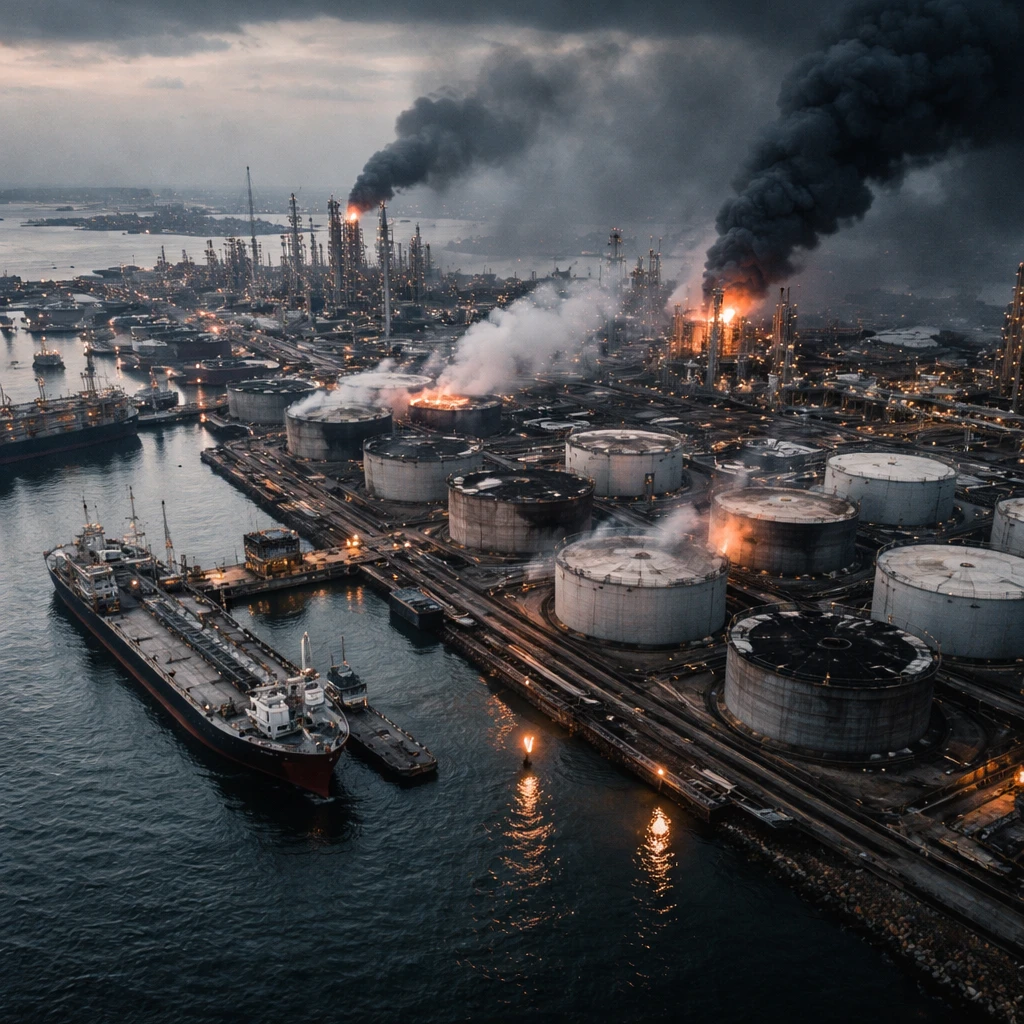
Birol characterized the conflict as the most severe global energy disruption on record. He reported that more than 80 facilities connected to oil and gas - a tally that covers production sites, terminals and refineries - have sustained damage as a result of the fighting with Iran.
Despite noting the scale of the damage and the agency's readiness to intervene, Birol made clear that the IEA has not yet reached a determination on whether another release of emergency stocks would be necessary to stabilize markets. That decision, he implied, would depend on how the energy shock evolves.
From a logistics and supply perspective, the damage to a wide set of physical assets - production platforms, storage and terminal infrastructure, and refining capacity - underscores vulnerabilities in the energy supply chain. The agency's stated willingness to mobilize stockpiles reflects a policy lever designed to address acute disruptions, but Birol’s comments indicate the IEA is reserving judgment until further developments make the need clear.
Contextual note - The IEA's public readiness to release reserves is framed as contingent and reactive: officials are prepared to act if required, yet there is no current decision to do so. The count of more than 80 damaged oil and gas facilities was cited directly by the IEA chief as part of his assessment of the shock to global energy.