
A tense naval confrontation in the Strait of Hormuz underlined how vulnerable global energy flows remain, unfolding at the same time as a rare, high-level diplomatic meeting between U.S. and Iranian officials in Islamabad.
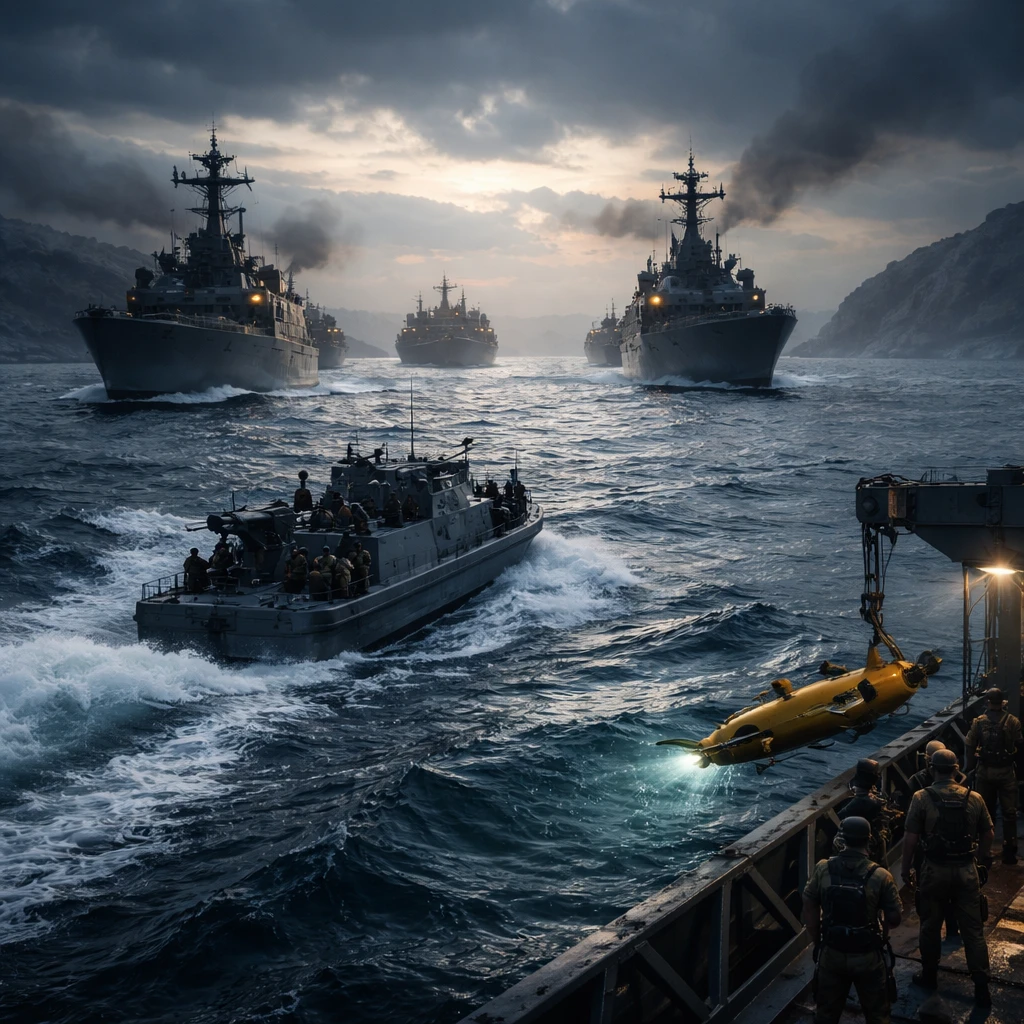
According to a press report, two U.S. Navy destroyers moved through the strategic waterway in a passage framed by U.S. military officials as a challenge to Tehran's so-called "toll booth" control of vessel transit. The movement drew a sharp radio response from the Islamic Revolutionary Guard Corps, which declared the incident their "last warning." The episode highlighted enduring friction over freedom of navigation in a corridor responsible for a substantial share of global liquid energy movements.
U.S. military commentators described the transit both as a statement that Washington does not accept Iran's de facto blockade and as the start of a focused effort to remove mines from the strait using underwater drones. The operational emphasis on mine-clearing underscores the practical obstacles to resuming unimpeded passage through the waterway.
On social media, President Trump signaled rising impatience with the situation, posting that "We're now starting the process of clearing out the Strait of Hormuz." Market observers note that an implicit "Hormuz premium" remains factored into energy prices amid Iran's persistent insistence that it will destroy any vessel attempting to transit without its permission. Analysts also pointed to the Iranian delegation's ability to remain composed in diplomatic settings while its forces were challenged at sea as evidence of coordinated action within the regime.
Diplomatic talks in Islamabad were led on the U.S. side by Vice President JD Vance and on the Iranian side by Parliament Speaker Mohammad-Bagher Ghalibaf. The meetings lasted several hours and included technical experts from both sides. No immediate agreement was announced.
Reports indicate that any extension of a two-week ceasefire currently in place may depend on resolving the practical question of reopening the Strait of Hormuz. Tehran is reported to be seeking rapid relief from extensive sanctions and the release of billions in frozen assets as the price for easing its control over Gulf passage.
Diplomatic analysts quoted in the reporting described a comprehensive agreement addressing Iran's nuclear program or missile systems as a "long shot." By contrast, a temporary, narrowly tailored deal to ensure safe passage through the strait was characterized as a functional necessity if discussions were to continue.
The U.S. delegation includes senior advisers Jared Kushner and Steve Witkoff, reflecting the mixture of political and technical priorities at play. The delegation faces a tension between the immediate economic imperative of easing oil price pressures by restoring safe maritime transit and broader, long-standing demands for permanent curbs on Tehran's nuclear activities.
For energy markets, shipping operators and supply chains that depend on Gulf crude exports, the dual track of naval operations and diplomacy will be watched closely. The talks in Islamabad and the concurrent maritime maneuvers highlight how security operations at sea and high-level negotiations on sanctions and asset releases are interdependent in shaping near-term energy availability and price formation.