
Economy April 6, 2026

ECB Official Says Energy Shock From Iran Conflict Will Determine Policy Path

Bank of Greece governor signals central bank response depends on durability of energy-driven inflationary pressure

By Derek Hwang
ECB Official Says Energy Shock From Iran Conflict Will Determine Policy Path

A European Central Bank policymaker warned that the stance of euro zone monetary policy will be conditioned by how supply disruptions tied to the Iran conflict affect energy prices. If the rise in energy costs proves fleeting, policy change needs will be limited; persistent upward pressure that influences medium-term inflation expectations and wages would call for a tighter stance.

Key Points

  • ECB Governing Council member Yannis Stournaras said the need for euro zone monetary policy adjustment depends on how energy supply disruptions from the Iran conflict evolve - sectors impacted: energy, financial markets, and broader macroeconomic policy.
  • If the spike in energy prices is temporary, the requirement for tighter monetary policy is expected to be limited - sectors impacted: consumer-facing industries and inflation-sensitive assets.
  • A more persistent and stronger rise in energy costs that affects medium-term inflation expectations and wages would warrant a tighter policy stance - sectors impacted: labour markets, inflation-linked securities, and corporate cost structures.

European Central Bank Governing Council member Yannis Stournaras said on Monday that whether the euro area needs a change in monetary policy hinges on the evolution of energy supply interruptions stemming from the Iran conflict.

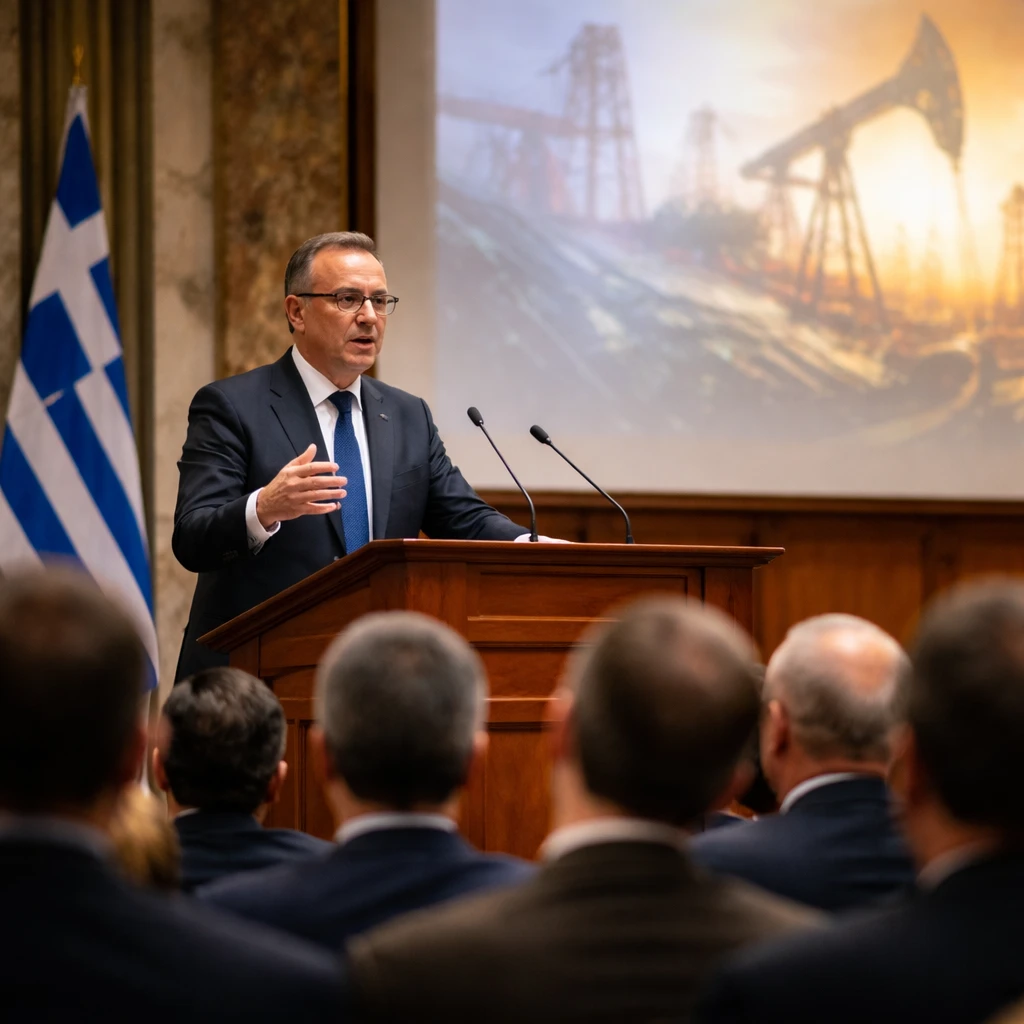
Speaking at the Bank of Greece's annual shareholders meeting in Athens, Stournaras framed the policy choice around the persistence and transmission of energy price moves. He said that a temporary spike in energy costs would imply only a limited need for monetary tightening.

However, the Bank of Greece governor cautioned that stronger and more sustained upward pressure on energy prices would make a tighter monetary policy stance appropriate. He focused attention on two channels of concern: the effect on medium-term inflation expectations and the potential pass-through to wage growth.

Stournaras' remarks underline a conditional approach to policymaking - one tied to observed developments in energy markets and their implications for inflation dynamics and labor compensation. The message was delivered in a formal setting in Athens where shareholders of the Bank of Greece convened for their annual meeting.

The official emphasised that the central bank's reaction would not be pre-determined but would depend on whether the energy-related shock proves transitory or becomes a more entrenched source of inflationary pressure. If energy price pressures feed into expectations and wages over the medium term, the case for policy tightening would strengthen, Stournaras said.

In sum, the ECB's near-term course will reflect the trajectory of energy supply disruptions linked to the Iran conflict and their broader implications for inflation and wage developments. The Bank of Greece governor's comments highlighted the central bank's focus on the persistence of shocks and the channels through which they could affect medium-term price-setting and labor market outcomes.


Contextual note: The comments were made at the Bank of Greece's annual shareholders meeting in Athens and reflect the governor's assessment of the conditions under which a policy adjustment would be warranted.

Risks

  • Energy price pressures becoming stronger and more persistent - risk to inflation-sensitive sectors such as utilities and transportation.
  • Pass-through of energy cost increases into medium-term inflation expectations and wage growth - risk to labor-intensive industries and inflation-linked financial instruments.
  • Uncertainty around the evolution of energy supply disruptions related to the Iran conflict - risk to policy planning for central banks and to market stability in energy and fixed-income markets.

More from Economy

Analyst Questions Trump’s Public Certainty About Imminent Iran Deal Apr 6, 2026 Dimon Outlines More Than $1 Trillion Push to Bolster U.S. Economic and Security Strength Apr 6, 2026 Dimon Flags Iran Conflict as a Threat to Inflation, Rates and Credit Conditions Apr 6, 2026 Administration Seeks Immediate Reversal of Court Halt on White House Ballroom Work, Citing Security Concerns Apr 6, 2026 Global Equity Funds Record Second Consecutive Week of Net Inflows as Tensions Show Signs of Easing Apr 6, 2026