
Diplomatic efforts aimed at securing a long-term nuclear commitment from Iran broke down in Islamabad after an intensive 21-hour negotiating session failed to produce the guarantees sought by Washington. Early Sunday, Vice President JD Vance announced that the U.S. delegation would return home without a deal, citing Tehran’s unwillingness to provide assurances that it will not develop nuclear weapons in the future.
According to reporting in the Wall Street Journal, the failure of the talks places the fragile two-week ceasefire immediately at risk. The central sticking point was the U.S. demand that Iran permanently renounce any future nuclear weapons program - a guarantee Washington said was missing from Iran’s presentation.
Vance framed the issue as one of enduring intent rather than short-term capability. He said the United States believes Iran’s existing nuclear infrastructure has been dismantled by recent strikes, but that the question remains whether Tehran will make a lasting pledge to forgo weaponization. Vance asked, "The simple question is, do we see a fundamental commitment of will for the Iranians not to develop a nuclear weapon, not just now, not just two years from now, but for the long term?" He added plainly that the U.S. had not observed such a commitment and confirmed the delegation was returning home, saying, "They have chosen not to accept our terms." The Iranian delegation in Islamabad was led by Parliament Speaker Mohammad Bagher Ghalibaf.
President Trump responded to the breakdown by minimizing its strategic significance, asserting that U.S. forces retain the initiative. "Whether we make a deal or not makes no difference to me," he said, adding, "And the reason is because we’ve won." At the same time, the administration is taking steps to prepare for a possible return to full-scale hostilities, with Trump indicating that the U.S. is "loading up ships" with ammunition and weaponry should the ceasefire fail.
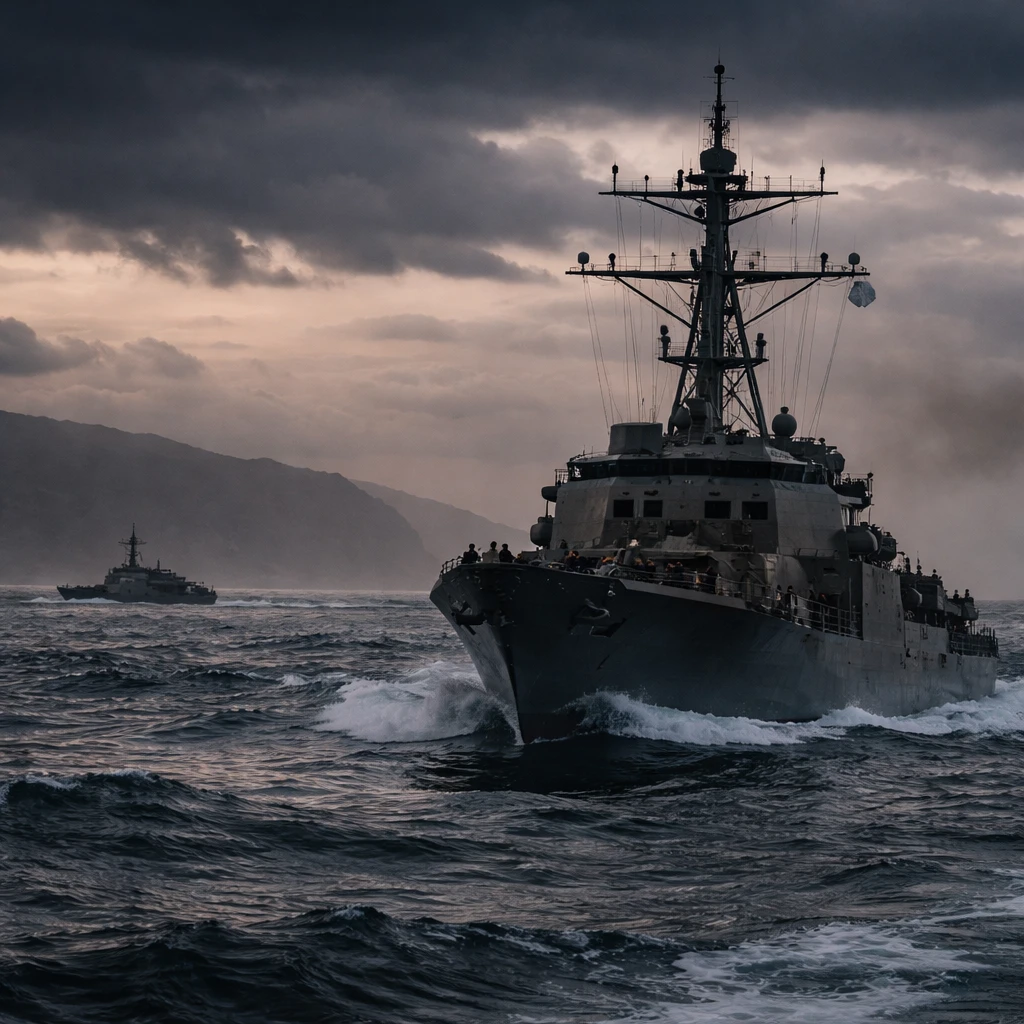
The maritime domain remains a focal point of potential escalation. U.S. officials said two destroyers transited the Strait of Hormuz on Saturday, marking the first such move since the onset of the war, though the IRGC Navy has denied that the transit took place. Iranian officials warned that any attempt to challenge their control of the waterway would be met with a "firm and forceful response." The absence of a "Safe Passage" agreement from the Islamabad talks means the risk of a continued Hormuz blockade - and the associated "war premium" on oil and shipping - is likely to remain.
With the U.S. delegation departing without the long-term nuclear assurances it demanded, market-sensitive uncertainties persist. The talk breakdown raises immediate questions about the durability of the ceasefire, the security of critical energy shipping lanes, and the likelihood of further military preparations by both sides. For economies and markets tied to oil, shipping, and defense equipment, the unresolved diplomatic outcome injects fresh uncertainty into near-term planning and pricing.
What happened
- A 21-hour negotiating session in Islamabad ended without a long-term Iranian commitment to renounce nuclear weapons.
- Vice President JD Vance said Iran did not provide a "fundamental commitment of will" against developing a nuclear weapon, and the U.S. delegation is returning home.
- The talks' collapse increases pressure on a fragile two-week ceasefire and leaves maritime security in the Strait of Hormuz unresolved.