
Ray Dalio, founder of Bridgewater Associates, told CNBC in Shanghai that he expects next month's meeting between U.S. President Donald Trump and Chinese President Xi Jinping to produce cooperative steps between the two governments.
Speaking ahead of the summit, Dalio said the talks will carry a strong focus on trade and capital flows. He said he expects the leaders to show "empathy" toward each other as they work through points of friction, adding that such a tone should be taken as a positive signal for investors and for markets.
"Investors should be encouraged by these things," Dalio said, noting that productive engagement at the leadership level "carries through" to financial markets and investment decisions.
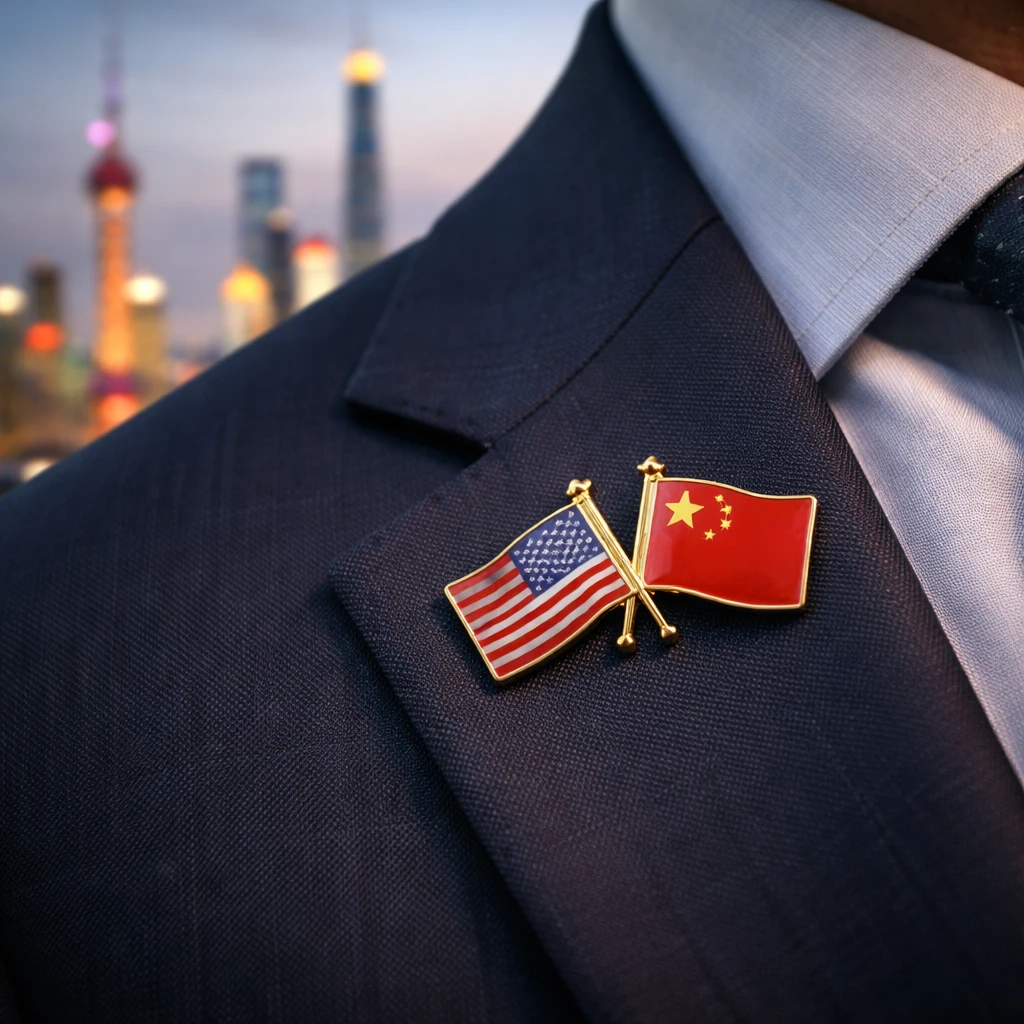
Dalio also pointed to the absence of direct contact between Washington and Beijing as a major contributor to tensions between the two countries. Wearing a lapel pin that featured both the U.S. and Chinese flags, he called the lack of communication "the biggest source" of bilateral strain.
He framed the relationship as one of central importance, saying "Chinese-American relationships and the oceans are the two most important things for the well-being of humanity." The remark underscored his view that both diplomatic ties and maritime stability have wide-ranging implications.
President Trump is scheduled to be in Beijing on May 14 and 15 to meet with President Xi. The trip was originally planned for late March but was postponed amid developments related to the Iran war.
When asked about the Iran war and Mr. Trump's two-week ceasefire announcement, Dalio advised investors to look beyond the immediate headlines. He warned against overreacting to the "news of the day" and described the situation as indicating that a "world war of sorts is going on," underscoring the broader geopolitical uncertainty that investors face.
Context for markets
Dalio's comments link diplomatic engagement directly to investor sentiment, with trade talks and capital-flow discussions singled out as key channels through which summit outcomes could influence markets. His emphasis on communication as a stabilizing factor highlights the role of political dialogue in easing bilateral tensions that can affect trade, investment, and maritime commerce.