
Official statistics released Friday show consumer prices in Brazil climbed 0.88% in March, topping the median expectation of 0.77% from a Bloomberg survey of 40 economists. On an annual basis, inflation now stands at 4.14%.
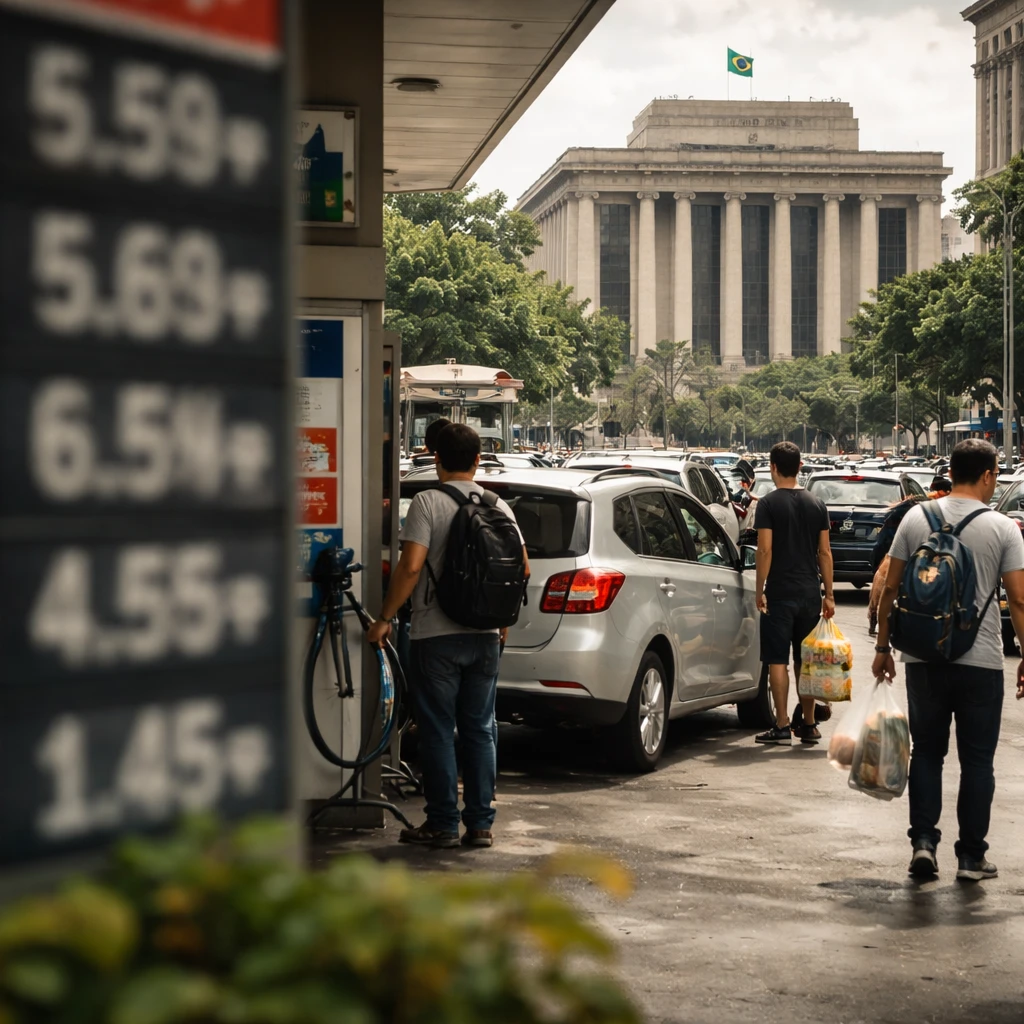
Rising energy costs have been a primary factor driving the uptick. The ongoing conflict in the Middle East has lifted oil prices, translating into higher fuel costs for Brazilian consumers and eroding some of the progress authorities had been registering on inflation.
Those price dynamics have prompted the federal government to step in with measures aimed at shielding households, particularly as the country approaches elections later this year. President Luiz Inacio Lula da Silva has introduced actions including tax relief and fuel subsidies designed to blunt the effect of recent price increases on consumers.
The inflation outturn also has implications for monetary policy. Brazil's central bank reduced its benchmark Selic rate last month for the first time since 2024, citing movement toward its 3% inflation target. But the renewed pressure from higher energy prices is complicating plans to continue cutting rates; headline inflation remaining above target may constrain the central bank's ability to lower borrowing costs quickly, even though rates are already in double digits.
In short, the combination of global oil-price swings and domestic policy responses is reshaping the near-term outlook for both households and policymakers. Consumers face higher fuel bills, the government is deploying fiscal tools to soften the blow, and the central bank must weigh the pace of any additional easing against inflationary pressure that has not yet fully dissipated.
Data points:
- Monthly consumer-price increase: 0.88% in March
- Bloomberg survey median forecast: 0.77% (40 economists)
- Annual inflation: 4.14%
- Central bank move: Selic rate cut last month, first since 2024
- Inflation target referenced: 3%