Economy

Macroeconomic data, trends, and policy developments.

Coverage of key economic indicators, central bank policy decisions, inflation trends, labor data, and growth signals. This category focuses on the macroeconomic forces that shape markets, interest rates, and long-term capital allocation.

Articles

2,636 total articles

Seeking Signals From the Noise: Markets Edge Up as Geopolitics and Data Collide

Seeking Signals From the Noise: Markets Edge Up as Geopolitics and Data Collide

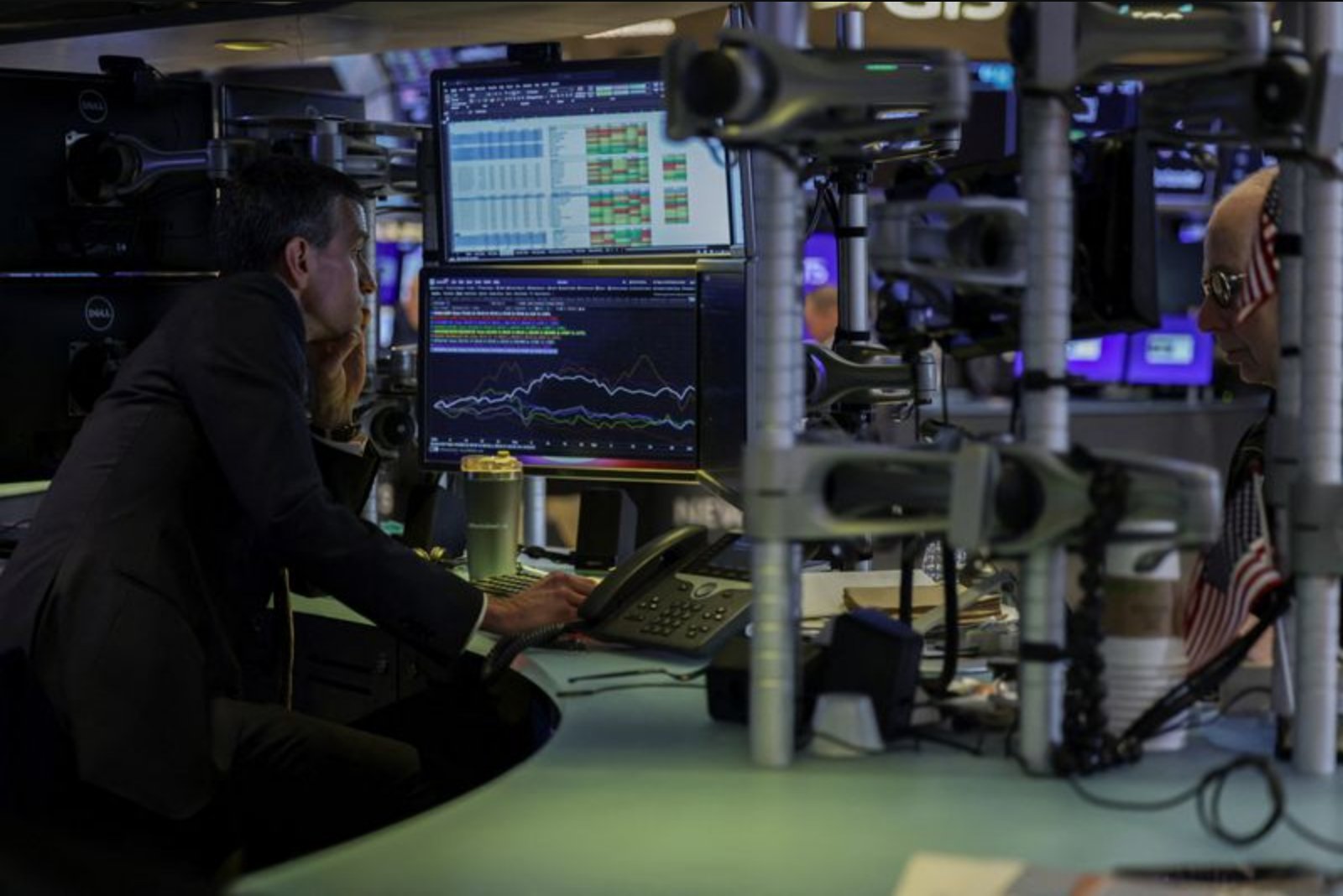
Global equity markets that were open ticked higher on Easter Monday as investors largely shrugged off escalating U.S. rhetoric toward Iran and a further jump in oil prices. Market participants cited resilience in early March U.S. data, modest moves in bond yields, and selective sector strength even as energy costs and regional tensions remain sourc…

IMF Head: Middle East War Will Push Up Inflation and Weigh on Growth

IMF Head: Middle East War Will Push Up Inflation and Weigh on Growth

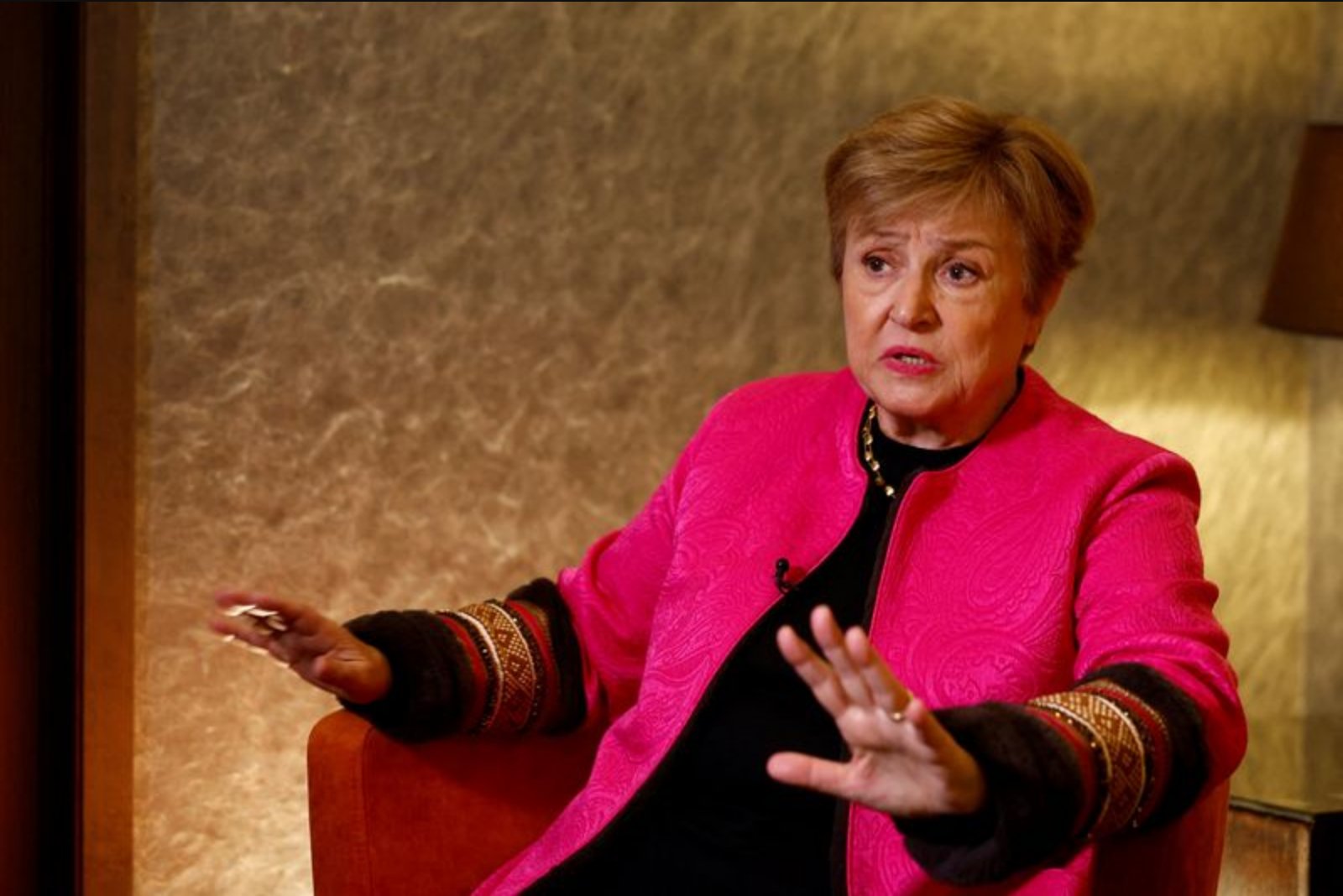
The managing director of the International Monetary Fund said the conflict in the Middle East will produce higher inflation and slower global growth, derailing a small upward revision the fund had anticipated for 2026-27. Even a quick end to hostilities would still leave the IMF revising growth downward and inflation upward, while a prolonged war w…

Fed Officials Flag Inflation as Primary Risk as Energy Costs Rise

Fed Officials Flag Inflation as Primary Risk as Energy Costs Rise

Cleveland Fed President Beth Hammack and Chicago Fed President Austan Goolsbee signaled that inflation is a larger immediate concern than the labor market, endorsing tighter monetary policy as energy prices climb due to the Iran war. Using a four-color assessment scale in a joint interview, both officials placed inflation in the orange-to-red zone …

Fed Officials Flag Inflation as Primary Concern, Say Labor Market Less Troubling

Fed Officials Flag Inflation as Primary Concern, Say Labor Market Less Troubling

Chicago Fed President Austan Goolsbee and Cleveland Fed President Beth Hammack described inflation as a more acute problem than employment in a joint interview, using a four-color risk scale to convey that inflation is at least 'orange' and possibly shifting toward 'red' amid rising gasoline prices and other price pressures. Both signaled preferenc…

NY Fed: Global supply-chain pressures rose in March to early-2023 levels

NY Fed: Global supply-chain pressures rose in March to early-2023 levels

The Federal Reserve Bank of New York reported a rise in its Global Supply Chain Pressure Index for March, climbing to 0.68 from February's 0.54. The bank did not provide an explanation for the increase, though the release notes a likely connection to disruptions tied to the war in the Middle East that was started by the U.S.-Israeli attacks on Iran…

Analyst Questions Trump’s Public Certainty About Imminent Iran Deal

Analyst Questions Trump’s Public Certainty About Imminent Iran Deal

A political analyst at Wolfe Research expressed doubt that a diplomatic settlement with Iran is near, suggesting President Trump’s public confidence may be rooted more in a theory that sustained military pressure will compel Tehran to capitulate than in concrete progress at the negotiating table. The comments arrive as the U.S. again approached a d…

ECB Official Says Energy Shock From Iran Conflict Will Determine Policy Path

ECB Official Says Energy Shock From Iran Conflict Will Determine Policy Path

A European Central Bank policymaker warned that the stance of euro zone monetary policy will be conditioned by how supply disruptions tied to the Iran conflict affect energy prices. If the rise in energy costs proves fleeting, policy change needs will be limited; persistent upward pressure that influences medium-term inflation expectations and wage…

Dimon Flags Iran Conflict as a Threat to Inflation, Rates and Credit Conditions

Dimon Flags Iran Conflict as a Threat to Inflation, Rates and Credit Conditions

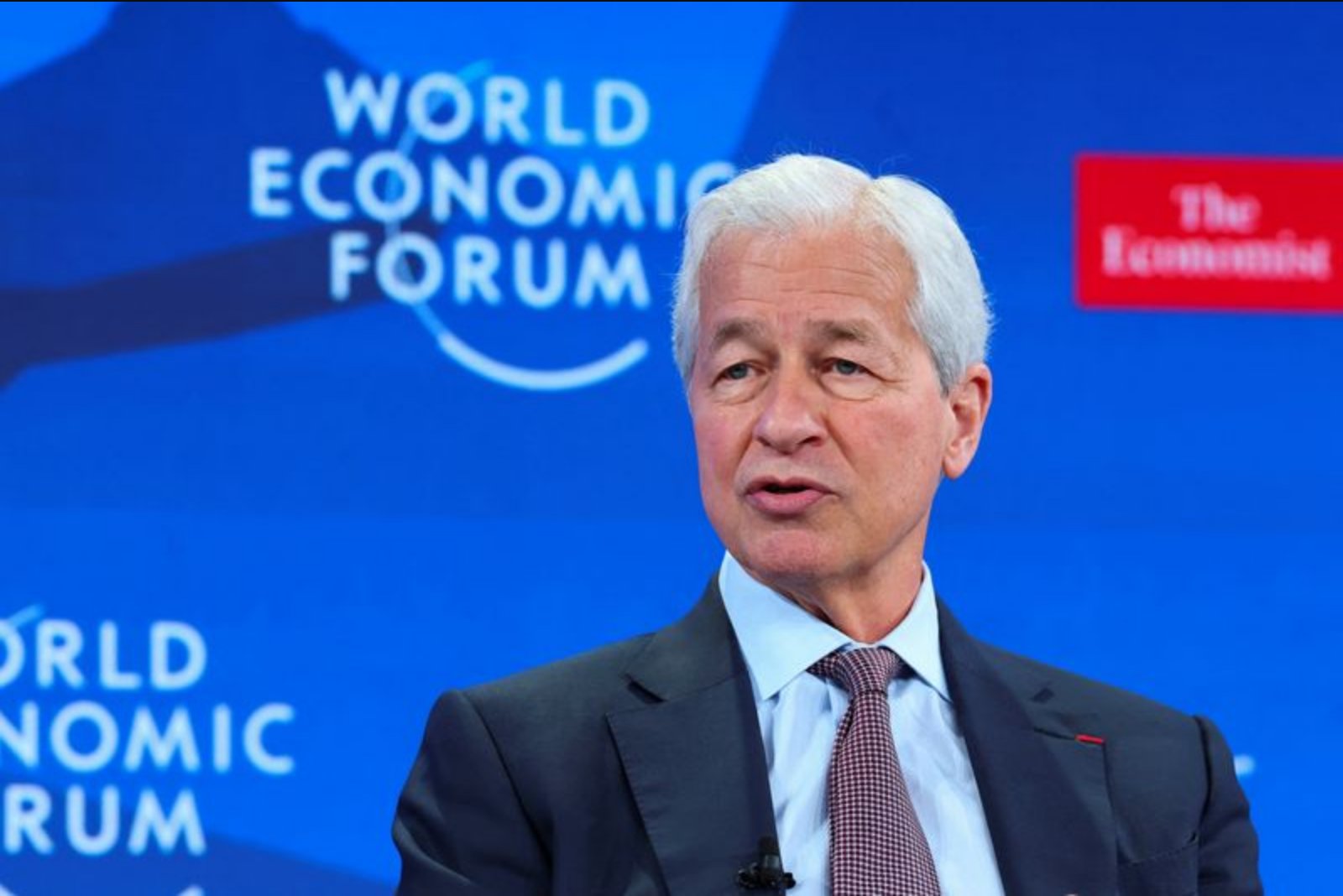
JPMorgan Chase CEO Jamie Dimon says the ongoing conflict involving Iran threatens to produce prolonged spikes in oil and commodity prices that could make inflation more persistent and push interest rates above current market expectations. In his annual shareholder letter, Dimon also judged the private credit market unlikely to be a systemic risk wh…

Markets Tick Up as Ceasefire Hopes Clash With Fresh Hostilities in Iran

Markets Tick Up as Ceasefire Hopes Clash With Fresh Hostilities in Iran

U.S. index futures moved modestly higher as investors weighed reports of a proposed framework to halt hostilities in Iran and reopen the Strait of Hormuz against new fighting and a tightened ultimatum from President Trump. Oil and gold prices swung sharply during the session as markets parsed the possibility of a ceasefire and continued military es…

Mediators Weigh 45-Day Ceasefire to Open Path Toward Ending War

Mediators Weigh 45-Day Ceasefire to Open Path Toward Ending War

Four U.S., Israeli and regional sources familiar with the talks say negotiators from Pakistan, Egypt and Turkey, together with U.S. envoys and Iranian officials, are discussing a phased 45-day ceasefire intended to create space for a lasting end to hostilities. The initiative faces tight time constraints and carries risks of escalation if talks sta…

Iran Conditions Hormuz Reopening on Compensation, Signals Wider Disruption Risk

Iran Conditions Hormuz Reopening on Compensation, Signals Wider Disruption Risk

Iran rejected U.S. threats to strike its infrastructure and set a new condition for reopening the Strait of Hormuz: part of transit revenues must go toward compensating Iran for war-related damages. Tehran also warned the conflict could spread to the Bab el-Mandeb Strait in the Red Sea, a chokepoint handling roughly 12% of global trade, raising fur…

Why Japan Equities Deserve a Place in Long-Term Portfolios

Why Japan Equities Deserve a Place in Long-Term Portfolios

Japan’s equity market is drawing renewed investor interest as corporate governance reforms, improvements in earnings quality, supportive currency dynamics and strong links to global industrial and technology cycles combine to create a more durable investment case. While risks from softer external demand and policy shifts remain, these structural sh…