
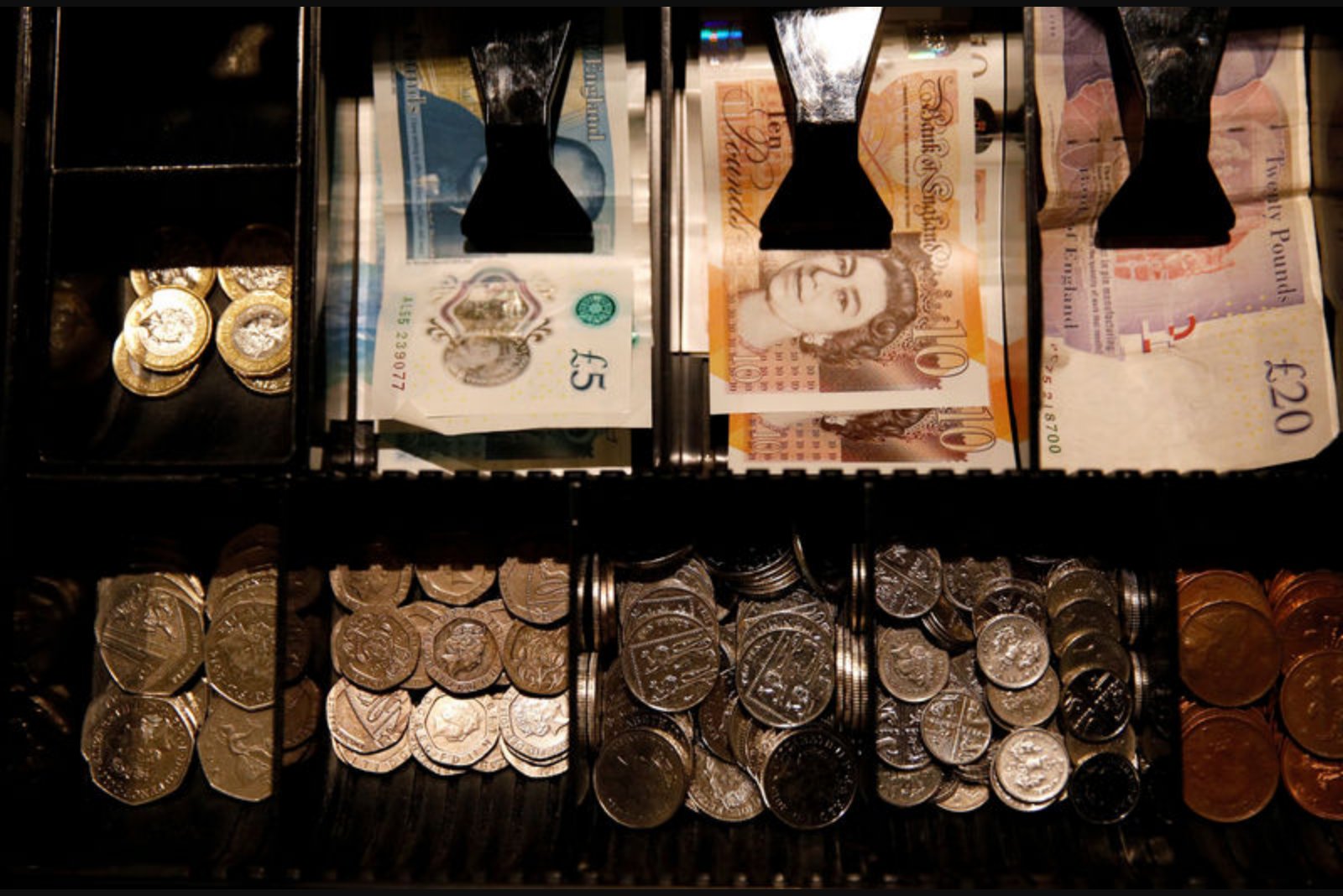
Sterling continued to lose ground on Tuesday, with GBP/USD quoted around $1.3234 at 03:50 ET and briefly touching an intraday low of $1.3211. That trading sits well above the pair's 52-week low of $1.2721, but the recent move extends a period of underperformance for the British currency versus the dollar.
Market appetite for the greenback was supported by persistent geopolitical uncertainty as investors awaited clarity on whether a ceasefire can be agreed in connection with tensions involving Iran. The absence of a deal raises the prospect of U.S. and Israeli strikes on Iranian civilian infrastructure, which in turn increases the risk of retaliatory actions across the Gulf - a dynamic that has kept energy markets and safe-haven flows on alert.
ING strategist Chris Turner noted that higher oil and gas prices in the event of further escalation would be “unambiguously dollar-positive.” Elevated energy costs have been a key transmission channel supporting the dollar, according to market observers cited in recent commentary.
Domestic U.S. data has also lent support to the currency. Last Friday's March jobs report surprised to the upside, and current market pricing anticipates a largely unchanged Federal Reserve policy path for the rest of the year. That stance contrasts with expectations for two to three rate increases among several of the Fed's global peers, a divergence that has kept the dollar relatively well bid.
Market participants are watching a sequence of U.S. releases for further direction. Minutes from the March 18 Federal Open Market Committee meeting are due Wednesday, and March consumer price index data is set for release on Friday. Headline U.S. inflation is expected to accelerate to 3.4% year-on-year from 2.4% in the prior reading, which could influence Fed pricing if confirmed. Comments from New York Fed President John Williams - typically viewed as dovish - will also be monitored for any change in tone.
ING's base case is for the dollar index to remain supported in a 100.00-100.50 range in coming sessions.
The euro has come under pressure as well, trading near $1.1544 and confined within a roughly 1.1420-1.1640 range. Markets have trimmed the probability of an April rate hike from the European Central Bank to under 50% while pricing in about 75 basis points of tightening for the year. ING warned that if the ECB passes on an April move despite elevated energy costs, the euro could face additional downside.
Across Central and Eastern Europe, local markets have followed global developments closely. Czech inflation is expected to rise in March as fuel costs climb. Romania's central bank is anticipated to hold the policy rate at 6.50% despite double-digit inflation, and Poland's central bank is widely expected to stand pat at 3.75% with guidance from policymakers later in the week to be scrutinized.
In the Asia-Pacific region, the Reserve Bank of New Zealand is broadly expected to keep its official cash rate unchanged at 2.25% on Wednesday. The New Zealand dollar has underperformed the Australian dollar year-to-date, and absent a hawkish surprise from the RBNZ that trend may continue.
Market liquidity is likely to thin later in the week because of holiday schedules, a factor that could amplify moves tied to geopolitical developments and economic releases.
Market offerings and portfolio performance mentioned in the prior commentary were described as having outperformed certain benchmarks year-to-date, with multiple portfolios in positive territory and notable individual winners cited.