
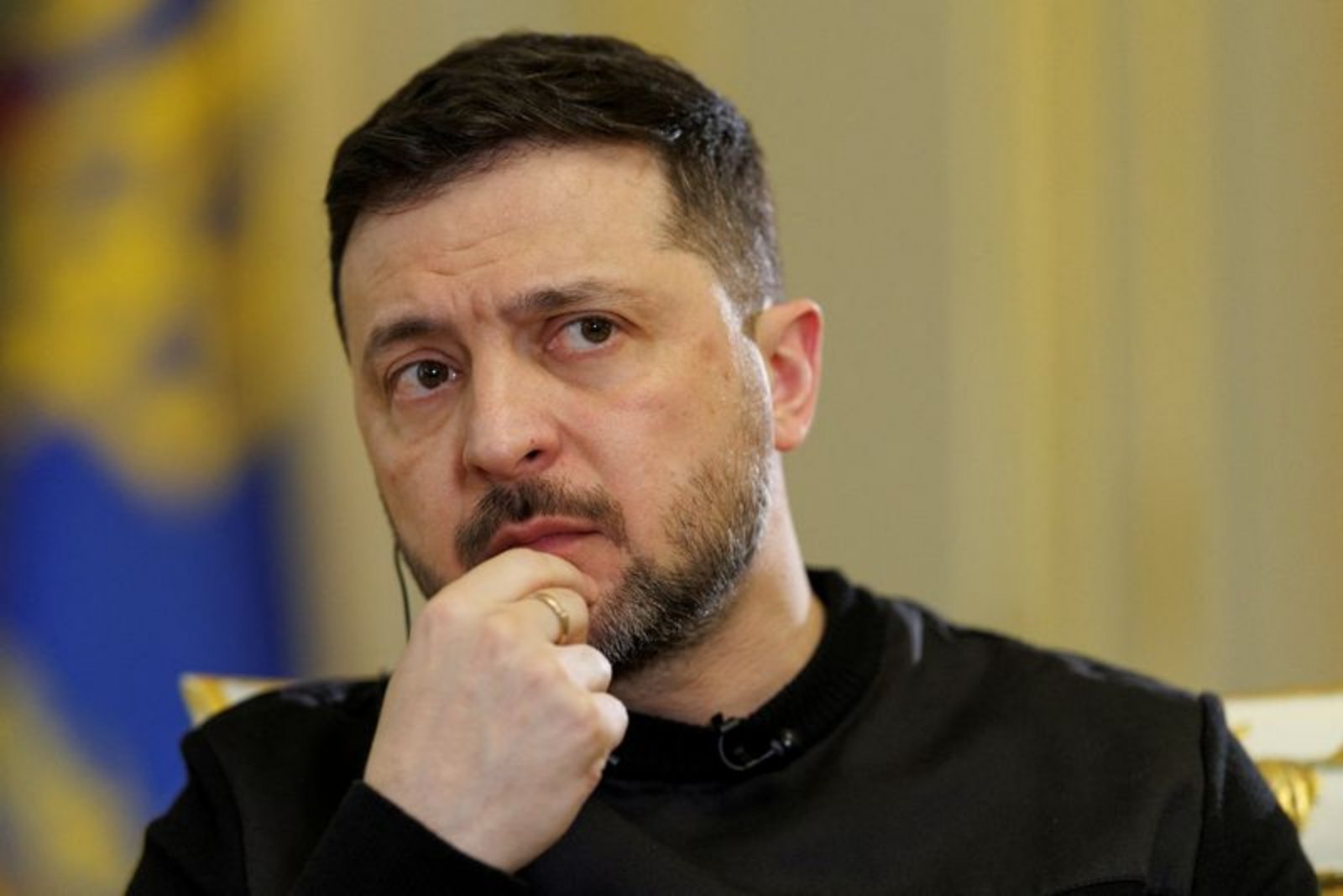
April 5 - Ukrainian President Volodymyr Zelenskiy pledged to pursue stronger security arrangements after holding talks on Sunday with Syrian counterpart Ahmed al-Sharaa, as Kyiv looks to share its military experience across the Middle East following the outbreak of the Iran war.
Zelenskiy, on a continuing tour of countries in the region, said Ukraine also wants to play a role in bolstering food security for Middle Eastern states. In recent weeks, he has visited several Gulf and other Middle East countries offering Ukrainian expertise in countering drone and missile attacks developed during Ukraine's four-year war with Russia.
"We agreed to work together to provide more security and opportunities for development for our societies," Zelenskiy wrote on Telegram. "There is a great interest in exchanging military and security experience."
During the Damascus meeting, Zelenskiy reiterated Ukraine's position as a reliable supplier of grain, saying the two leaders "discussed joint opportunities to strengthen food security across the region." He framed food exports as a complement to security cooperation rather than a separate agenda.
On the previous day in Turkey, Zelenskiy said he had agreed on "new steps" in security cooperation with Turkish President Tayyip Erdogan and that the talks had covered potential collaboration on gas infrastructure and gas field development.
After arriving in Damascus, Zelenskiy posted on X: "Today in Damascus we continue our active Ukrainian diplomacy aimed at real security and economic cooperation." The trip marked his first visit to Syria since diplomatic ties were re-established at the end of last year following the fall of Syria's long-time strongman Bashar al-Assad.
One Syrian source, described as a government adviser, indicated that the discussions with Sharaa were linked to defence concerns in light of the U.S.-Israeli war in Iran. The source highlighted Syria's limited air-defence capabilities, noting that the country is not known to possess defences capable of handling Iranian drones or missiles.
While in the Gulf last weekend, Ukraine signed long-term military cooperation agreements with Saudi Arabia and Qatar, and Zelenskiy said an analogous pact with the United Arab Emirates was close to completion. Those steps form part of Kyiv's broader effort to secure regional partnerships on defence and security matters.
Syria hosts two significant Russian military bases used by the Russian navy and air force. At an event in London, Sharaa said work was underway to convert these bases into "centres to train the Syrian army." The comment was made at Chatham House and underscores Damascus's intentions for the facilities.
The Damascus talks underscored Kyiv's dual focus on sharing battlefield-hardened defensive know-how while positioning Ukraine as a dependable agricultural supplier to the region. Zelenskiy's itinerary reflects a diplomatic push combining security cooperation, energy conversations and food supply discussions as part of a wider Middle East engagement.