
Commodities April 8, 2026

Starmer Travels to Gulf to Cement Reopening of Strait of Hormuz Following Ceasefire

UK premier to meet regional partners to support a lasting U.S.-Iran ceasefire and restore a vital oil and gas corridor

By Hana Yamamoto
Starmer Travels to Gulf to Cement Reopening of Strait of Hormuz Following Ceasefire

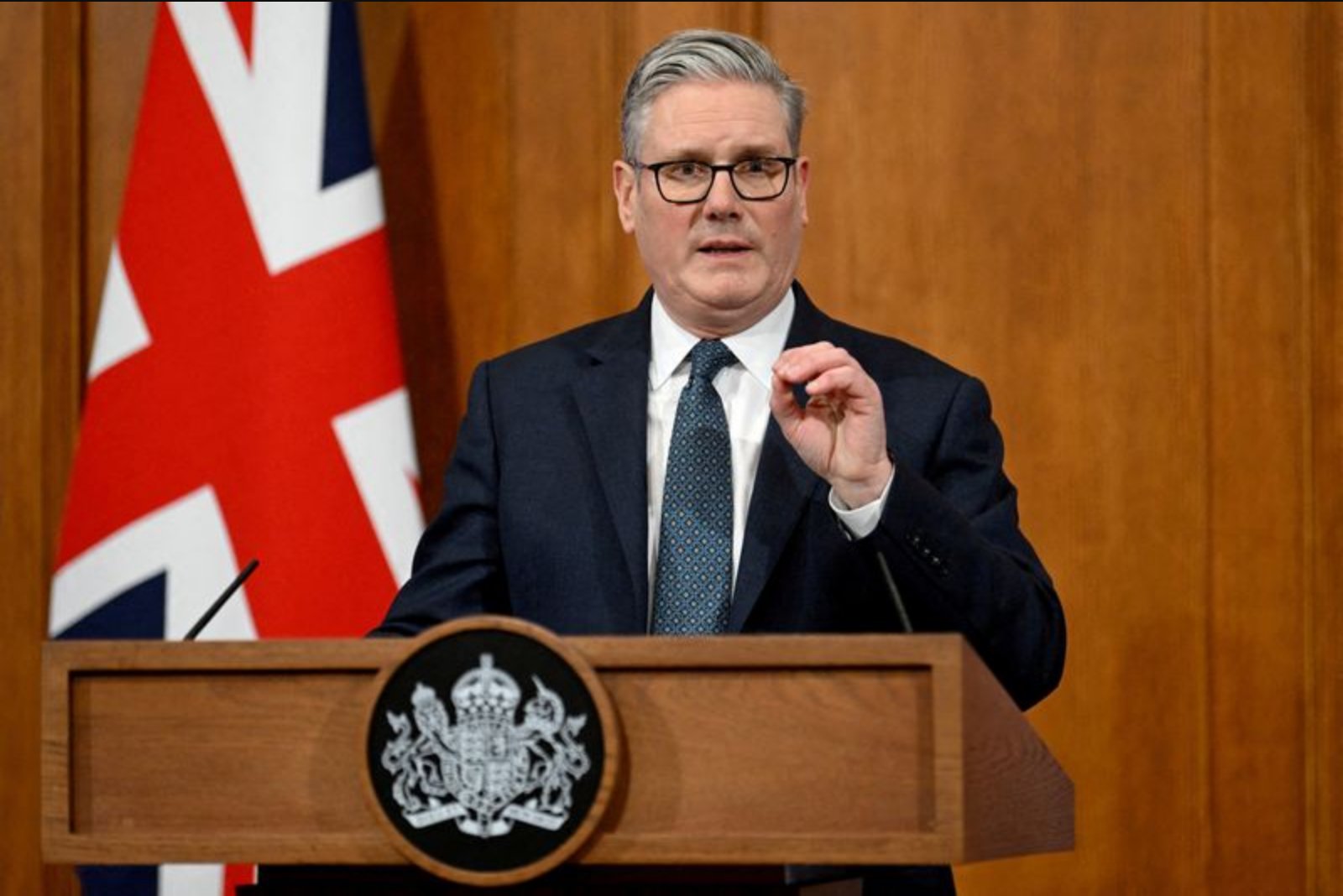
British Prime Minister Keir Starmer will visit Gulf states on Wednesday to coordinate with partners on keeping the Strait of Hormuz open permanently after a U.S.-Iran ceasefire, his office said. Starmer welcomed the ceasefire and said allied diplomacy should convert it into a lasting agreement that enables the strait to reopen. The visit was planned before the ceasefire announcement and follows criticism from U.S. President Donald Trump over Starmer's response to recent strikes on Iran.

Key Points

  • Prime Minister Keir Starmer will visit Gulf states on Wednesday to discuss measures to ensure the Strait of Hormuz remains permanently open after a U.S.-Iran ceasefire.
  • Starmer welcomed the ceasefire, calling it a moment of relief and urging partners to convert it into a lasting agreement that allows the strait to reopen.
  • The UK will pursue diplomatic efforts to "support and uphold the ceasefire in order to bring about a lasting resolution to the conflict and protect the UK and global economy from further threats", according to the British statement.

British Prime Minister Keir Starmer is due to travel to the Gulf on Wednesday for talks with regional partners aimed at ensuring the Strait of Hormuz remains open on a permanent basis following a ceasefire between the United States and Iran, Downing Street said.

In a statement, Starmer welcomed the ceasefire, saying it would offer a respite to the wider region and beyond. "I welcome the ceasefire agreement reached overnight, which will bring a moment of relief to the region and the world," he said. He added that allied coordination would be necessary to sustain that outcome and restore access through the strategically important strait.

"Together with our partners we must do all we can to support and sustain this ceasefire, turn it into a lasting agreement and re-open the Strait of Hormuz."

Downing Street said the prime minister's regional discussions would centre on diplomatic measures to "support and uphold the ceasefire in order to bring about a lasting resolution to the conflict and protect the UK and global economy from further threats". The statement framed the talks as intended to translate the ceasefire into durable stability and to shield economic interests from renewed disruption.

The trip to the Gulf had been organised before the ceasefire was announced, the British statement noted. Starmer has in recent weeks hosted multinational meetings to explore how allies might assist in reopening the strait, which plays a central role in global oil and gas shipments.

The prime minister faces domestic and international scrutiny over his handling of recent military and diplomatic developments. U.S. President Donald Trump has publicly criticised Starmer for not supporting U.S. and Israeli strikes on Iran, a point the British government will need to navigate as it seeks allied consensus in the Gulf.

Officials said Starmer's engagement in the region will focus on diplomacy and coordination with partners to preserve the ceasefire and mitigate threats to economic channels tied to the Strait of Hormuz. Beyond immediate security aims, the UK frames the effort as one that has implications for trade flows and energy markets worldwide.

While the statement set out the diplomatic priorities for the visit, it did not provide further operational details about specific meetings or timelines beyond the scheduled Wednesday trip.


Summary of the visit: The prime minister will hold talks in the Gulf on Wednesday with partners to support and sustain a U.S.-Iran ceasefire and pursue reopening the Strait of Hormuz, with the trip planned prior to the ceasefire announcement. He has previously convened multinational discussions about reopening the strait and has faced criticism from U.S. President Donald Trump for not backing strikes on Iran.

Risks

  • Political friction with allies - Starmer has been criticised by U.S. President Donald Trump for not supporting U.S. and Israeli strikes on Iran, which could complicate allied coordination in the region and affect diplomatic negotiations; this could have implications for defence and foreign policy sectors.
  • Uncertainty over operational details - The statement did not specify the exact meetings or timeline beyond the Wednesday visit, leaving the scope and immediate effectiveness of diplomatic steps to support reopening the strait unclear; this uncertainty may impact energy markets and trade-exposed sectors.
  • Fragility of the ceasefire - While a ceasefire has been announced, sustaining it and turning it into a lasting agreement is the stated objective; failure to do so could threaten shipping routes and global energy supplies.

More from Commodities

Macron Says Roughly 15 Countries Ready to Help Reopen Strait of Hormuz After Ceasefire Apr 8, 2026 Last-minute two-week truce agreed between U.S. and Iran on condition Strait of Hormuz reopens Apr 8, 2026 Albanese Welcomes Temporary Middle East Ceasefire, Voices Concern Over Trump's Language Apr 7, 2026 TikTok to Spend 1 Billion Euros on Second Finnish Data Centre, Citing European Data Move Apr 7, 2026 Gold Climbs to Three-Week Peak After Trump Announces Two-Week Ceasefire with Iran Apr 7, 2026