
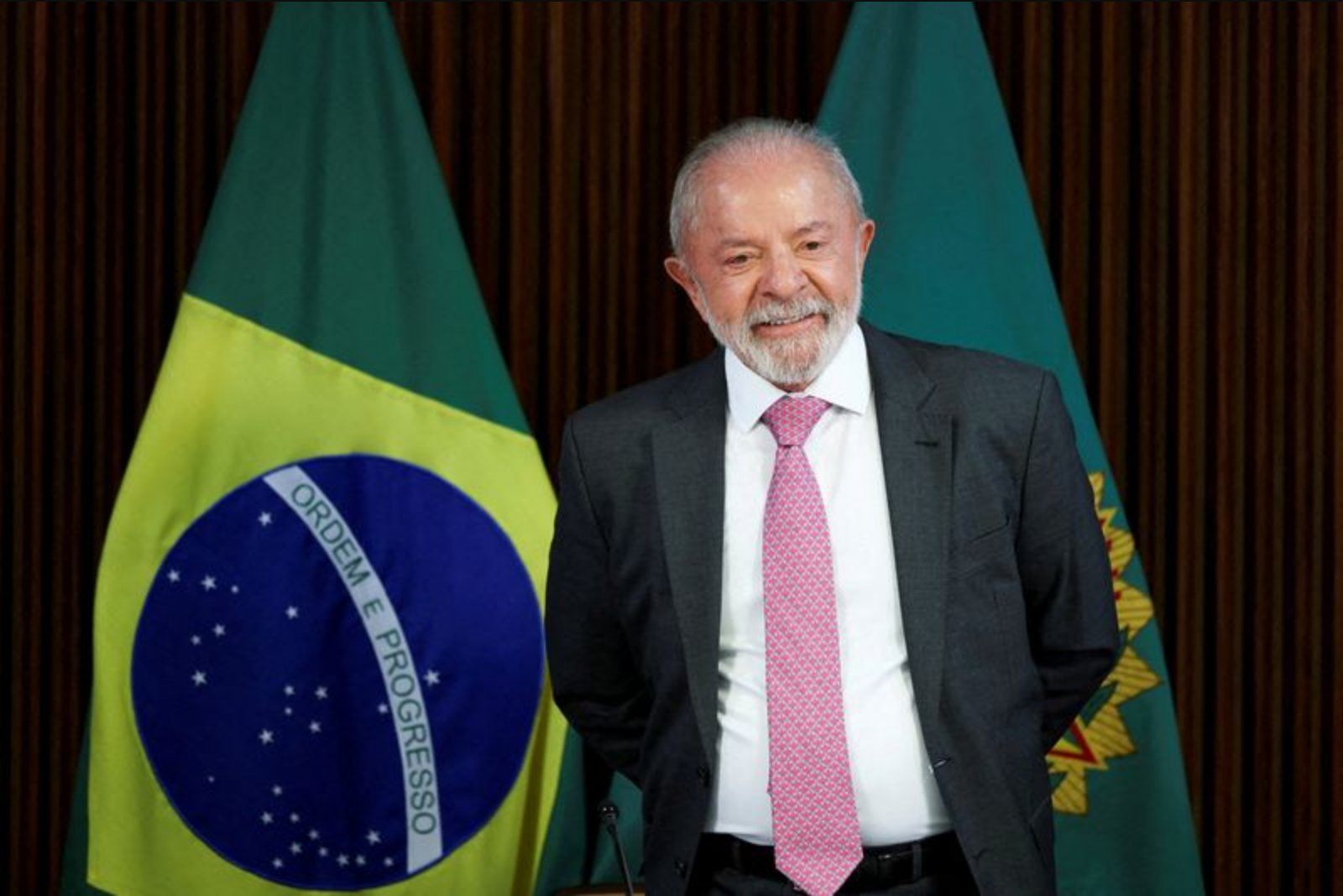
Energy price volatility has placed Brazil’s People’s Gas program under pressure, with fuel distributors, resellers and energy experts warning that the initiative could be undermined just six months before the presidential election. The program, launched by President Luiz Inacio Lula da Silva in November as his centerpiece energy policy while he prepares to seek reelection in October, aims to deliver free cooking gas to about 50 million people.
Industry participants say the recent escalation in liquefied petroleum gas prices - which they attribute to the U.S.-Israeli war on Iran - has driven up costs for LPG suppliers and distributors nationwide. An auction run by state energy company Petrobras produced supply premiums that reached up to double the reference prices, prompting an angry government response in which the president pledged last week to annul the tender.
In a bid to blunt the price shock, the government on Monday announced a 330-million-real subsidy for LPG imports. Officials said the measure would reduce the war-related impact on domestic prices. Resellers contacted by industry bodies did not immediately provide an assessment of how the new subsidy will affect their margins.
Resellers told regulators and industry groups that the LPG volumes acquired via the Petrobras auction have already been delivered to distributors, and the higher purchase prices have been passed along to resellers across Brazil. However, the operational rules of the People’s Gas program bar resellers from increasing the price they charge beneficiaries when their own acquisition costs rise, according to Jose Luiz Rocha, head of the Abragas gas resellers association.
"Because the profit margin is small, the reseller ends up losing money," Rocha said, adding that many resellers are threatening to quit the program. The government initially forecast the People’s Gas initiative would cost roughly 5.1 billion reais this year. Congress later lowered that projection, and the government said on Monday that it has budgeted about 4.7 billion reais for the program this year.
Rocha said resellers are in talks with the government about potential price adjustments. Brazil’s Ministry of Mines and Energy did not immediately reply to a request for comment.
Marcelo Colomer, an energy expert at Brazil’s UFRJ university, described a lag in official price adjustments as a normal market response, but noted that the extraordinary volatility tied to the conflict has led industry participants to press the government to reconsider its pricing methodology for the program.
"What needs to be considered is an extraordinary mechanism, perhaps associated with the program, to mitigate these types of situations," Colomer said.
Structural pressures at the reseller level
Brazil has a long history of subsidizing cooking gas for low-income households, but the current administration expanded the program significantly, roughly tripling its reach to include almost a quarter of the country's population. In remote regions, the program depends on small-scale resellers whose economics are now threatened by the recent price shock.
Under the program’s rules, a reseller that signs up must remain in it for at least three months and, during the contract period, cannot refuse vouchers issued by beneficiaries, Rocha said. That contractual rigidity constrains resellers’ ability to respond to sudden cost increases.
Rising costs are not limited to the LPG commodity itself. Distributors and resellers have also faced higher logistics costs, as trucking expenses for transporting LPG canisters have risen in step with diesel prices, according to a source close to distributors.
One small reseller operating in the southern state of Parana, speaking on condition of anonymity, said he can no longer cover his operating costs and plans to stop accepting vouchers from People’s Gas beneficiaries. Separately, a large-scale reseller in Brasilia said roughly 10% of the volume he sells is via the program and that he intends to boycott the scheme unless prices are adjusted.
"The beneficiaries will complain that they are looking for gas and can’t find where to get it," Rocha said. "Then it will become a major government problem. We want to help, but it has to be at a fair price."
The combination of delivered auction volumes, contractual limits on resellers and rising transport costs has created a situation in which program implementation could be disrupted if resellers follow through on threats to withdraw. That, in turn, could create political and administrative challenges for the government as the program was among its flagship social measures.
($1 = 5.1393 reais)