
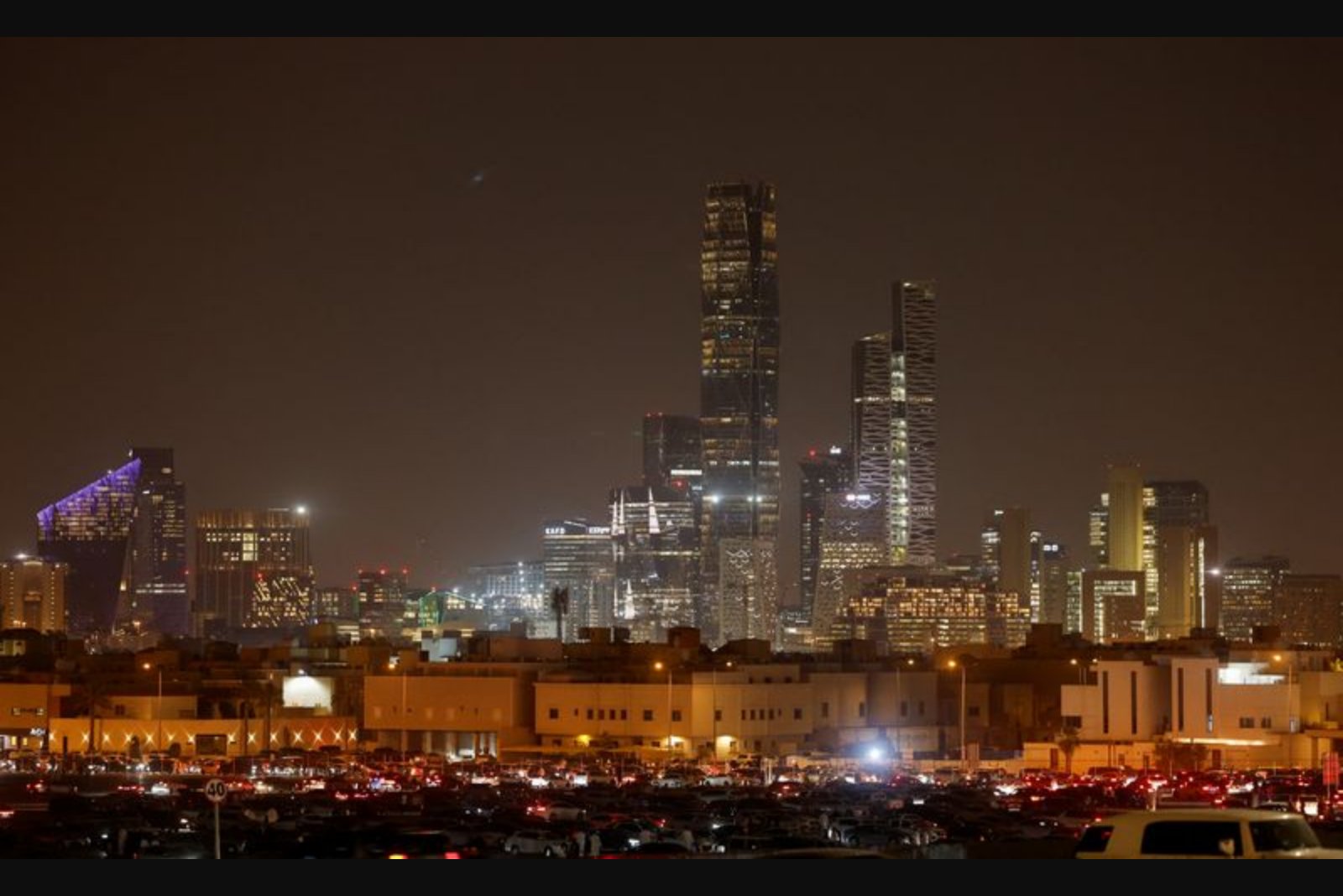
Saudi Arabia's non-oil private sector contracted in March, marking the first decline in activity since August 2020 as regional conflict disrupted supply chains and cross-border trade, according to a business survey. The seasonally adjusted Riyad Bank Saudi Arabia Purchasing Managers' Index (PMI), compiled by S&P Global, fell to 48.8 in March from 56.1 in February. Readings below 50 indicate contracting activity.
Riyad Bank's chief economist Naif Al-Ghaith attributed the slide into contraction largely to short-term uncertainty tied to geopolitical tensions in the Middle East. He said firms paused on new orders and adopted more cautious stances, which in turn weighed on output.
"The softer reading was mainly driven by a pause in new orders as clients adopted a more cautious stance. Export orders saw a notable pullback, with some firms reporting a temporary slowdown in cross-border activity. This led to a moderation in output," Al-Ghaith said.
Both output and new orders retreated in March, marking their first contraction since the COVID-19 shock in August 2020. The new orders subindex slumped to 45.2 in March from February's 61.8, reflecting a sharp pullback in demand.
Export demand weakened substantially. New export orders recorded their steepest drop in nearly six years, with some companies reporting that exports had been completely halted and others flagging increased logistics problems. Survey responses linked the worsening supply strains to disruptions that have affected movement through key regional waterways.
Supply difficulties intensified even as demand softened - a combination that may persist while the regional conflict continues to affect shipping routes. Despite the near-term deterioration in activity, firms' expectations for the next 12 months remained on balance positive, though they eased to their lowest level since June 2020.
Some businesses nevertheless retained confidence in longer-term support from government spending, infrastructure projects and eventual improvements in demand. The survey thus paints a picture of immediate operational strain driven by external geopolitical factors, counterbalanced by guarded optimism around public investment and a possible recovery in activity over the longer term.
Context and implications
The PMI's fall to 48.8 signals a contractionary phase for non-oil private activity in Saudi Arabia in March, driven by a sharp reduction in new and export orders and by logistics disruptions reported by firms. While short-term uncertainty related to regional conflict has curtailed activity, business sentiment remains marginally positive on a 12-month horizon, supported by expectations of government-led spending and infrastructure development.