
LONDON/PARIS, April 13 - Senior Western governments have rejected an invitation to join a U.S.-led blockade of the Strait of Hormuz, deepening disagreements within the NATO alliance over how to respond to a six-week conflict with Iran that began on February 28.
President Donald Trump announced that U.S. forces would work alongside other countries to block maritime traffic through the waterway after weekend diplomatic talks failed to secure an agreement to end the fighting. In a post on Truth Social, the president said: "The Blockade will begin shortly. Other Countries will be involved with this Blockade." The U.S. military later clarified that the blockade, due to begin at 1400 GMT on Monday, would be limited to vessels going to or from Iranian ports.
Key NATO members made clear they will not be drawn into active participation in the blockade. Britain and France said their priority was restoring safe navigation through the strait - a corridor from which roughly one-fifth of the world’s oil normally transits - rather than joining a U.S.-imposed stoppage.
British Prime Minister Keir Starmer told the BBC:
and added that despite significant pressure, his government's position is to avoid being drawn into the war."We’re not supporting the blockade,"
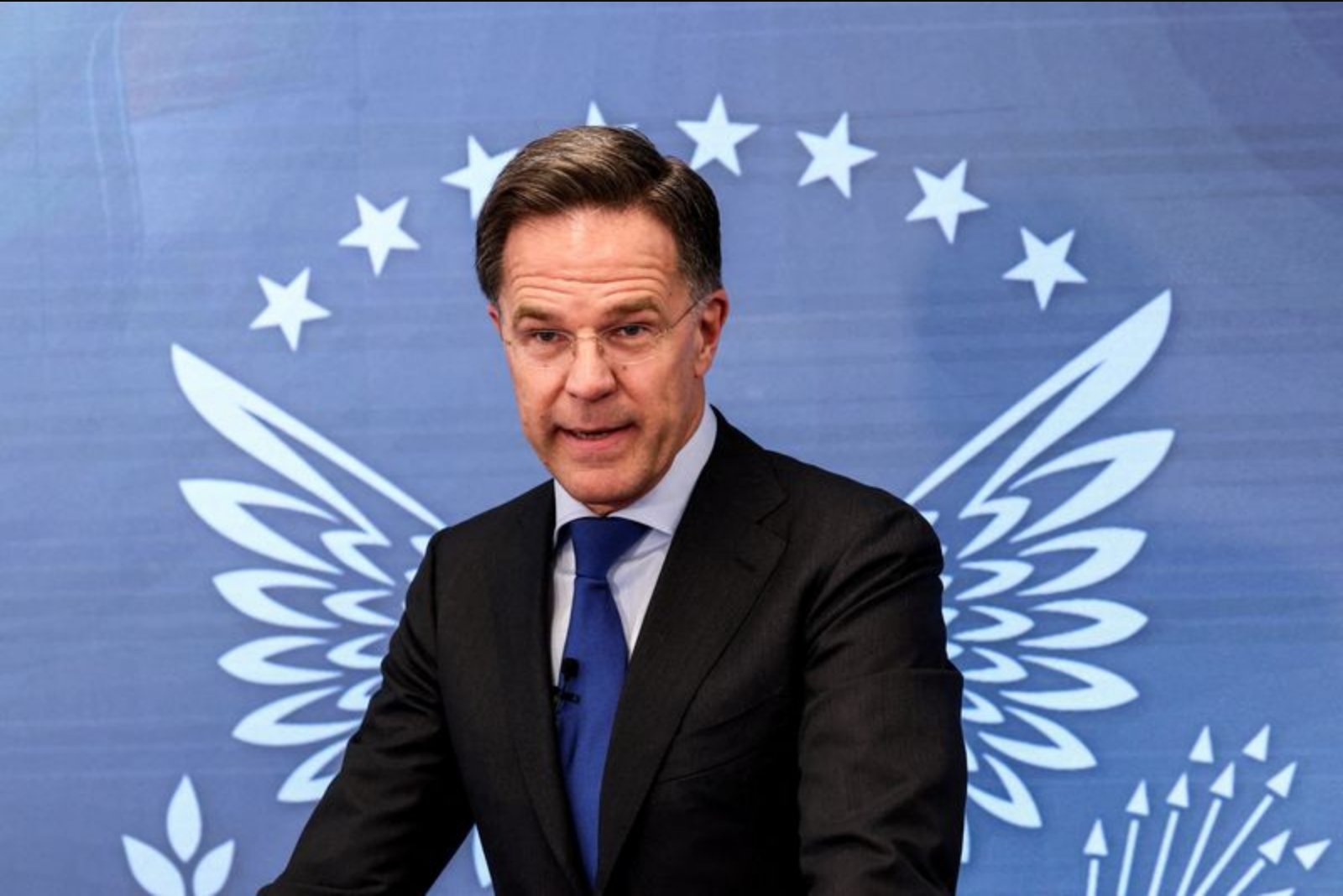
Diplomacy at NATO has been strained. NATO Secretary General Mark Rutte told European governments that President Trump is seeking concrete near-term commitments to help secure the Strait of Hormuz, diplomats said. Rutte also commented that NATO could take part in operations in the strait if all 32 members agreed on establishing a mission, a position he articulated on April 9.
Several European states have said they would consider assisting in the strait, but only after hostilities end and once Iran provides assurances that vessels will not be attacked. French President Emmanuel Macron announced on X that France will convene a conference with Britain and other countries to design a multinational mission aimed at restoring navigation.
Macron described the initiative as a "strictly defensive mission, distinct from the belligerents," and said it would deploy "as soon as the situation allows." France and Britain are moving to create a framework for multinational action that they say should be conditioned on a durable cessation of attacks.
Practical measures are also under consideration. A senior European official said Britain is exploring ways to lower insurance premiums for ships transiting the strait once hostilities have ceased, addressing a commercial hurdle to reopening the route.
Turkey's Foreign Minister Hakan Fidan urged that the Strait of Hormuz be reopened through diplomacy, warning that establishing an international force to oversee the passage would be complicated. Fidan also called for NATO to reset its relations with President Trump ahead of a summit planned in Ankara in July.
The refusal of close U.S. allies to participate in a blockade adds to tensions Washington has faced with partners who resisted supporting recent U.S. actions against Iran by denying U.S. military aircraft use of their airspace. The president has threatened to withdraw from the military alliance and has considered pulling some U.S. troops from Europe in response to those refusals.
As talks continue and diplomatic initiatives are explored, European leaders emphasised an approach focused on reopening the strait and limiting escalation, while signalling that any multinational defensive mission would require agreement among partners and conditions tied to the end of hostilities.