
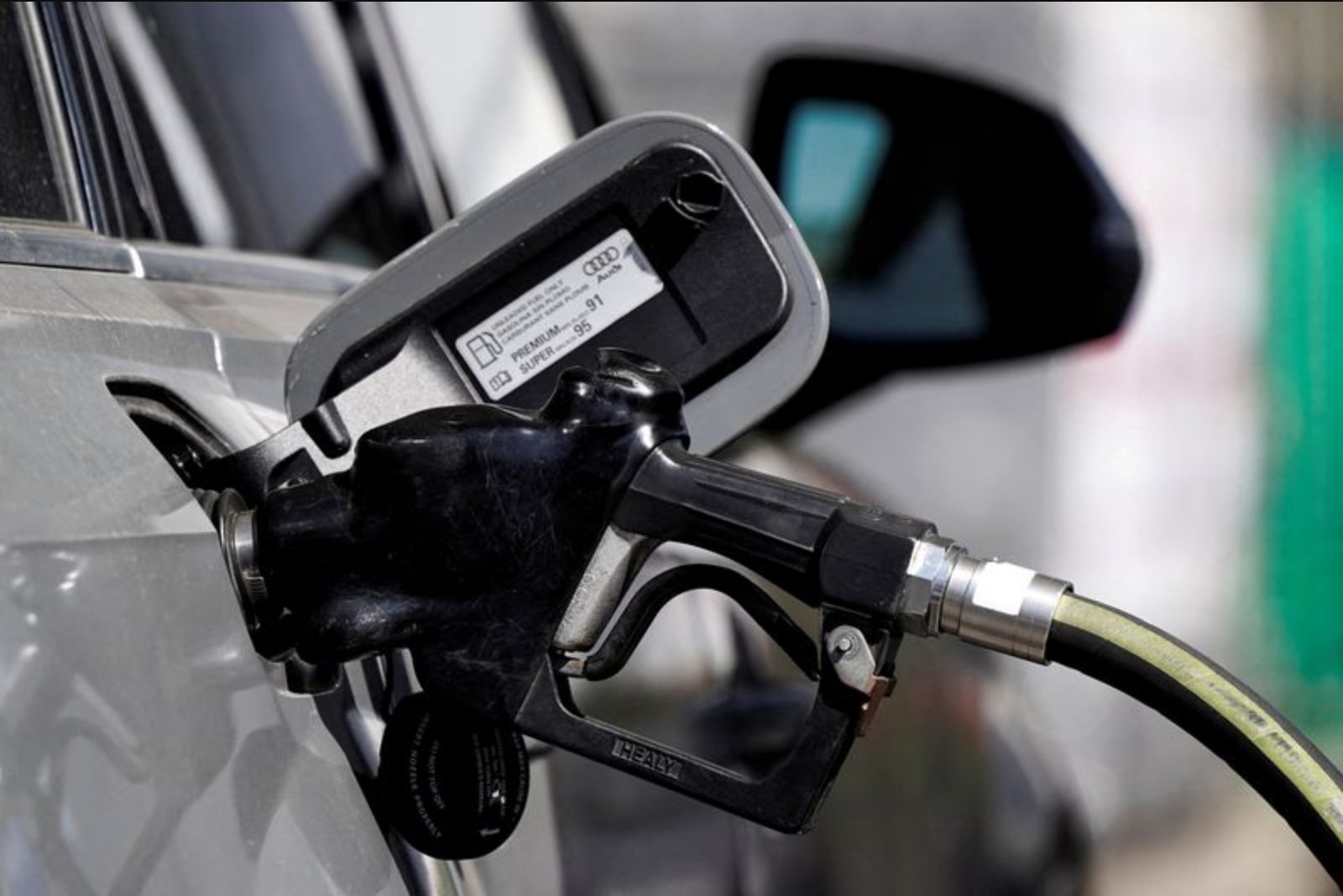
Recent maritime disruptions tied to the U.S.-Israeli conflict with Iran have driven Florida drivers to pay materially more for fuel than customers in much of the rest of the United States, according to industry observers and fuel-price data. The spike in local gasoline and diesel costs highlights a structural vulnerability in Florida's fuel supply - the state has no refineries and lacks pipeline connections that deliver Gulf Coast-refined product directly into Florida markets.
Instead, most of Florida's refined fuels are transported by barge from refineries on the U.S. Gulf Coast. Some volumes arrive overland to Georgia via the Colonial Pipeline and are then trucked south, but that represents only a portion of the state's needs. The unrest centered on Iran's blockade of the Strait of Hormuz has altered traditional trade flows, sending more product to Europe and Asia where export margins have widened and enticing shippers to redirect vessels away from domestic barge runs.
"Ships that would normally move product from the lower Mississippi or Houston to Florida ports are largely headed elsewhere," said Tom Kloza, chief energy advisor to Gulf Oil. The outcome has been an unusual and sharp premium for Florida consumers: data from GasBuddy show that, in recent weeks, Florida gasoline prices were as much as 15 cents a gallon - roughly 4% - above the national average, while diesel climbed as much as 35 cents a gallon - just over 6% - higher than the national average.
Those gasoline premiums are the largest Florida has paid relative to the national average since 2013, and the diesel premium is the highest on record, according to the same data. Historically, Florida typically pays below the national average for fuel, making the current divergence notable. California and Hawaii continue to post the largest fuel premiums among U.S. states.
Supply tensions eased somewhat after a ceasefire agreement with Iran, and gasoline in Florida fell back under the national average by Friday, trading at $4.06 a gallon, GasBuddy reported. Diesel, however, remained elevated, averaging about 6 cents above the national figure at $5.77 a gallon.
The pricing shifts have taken on a political dimension. Rising gasoline and diesel costs have become a point of concern for President Donald Trump and other leading Republicans as they look ahead to midterm elections in November. The president and senior Republican figures - including outgoing Florida Governor Ron DeSantis - have criticized Democrats over fuel expenses in high-cost states such as California.
Logistics costs have further strained Florida's fuel supply chain. "Florida is uniquely susceptible to this situation because the majority of its fuel, except in the panhandle, is brought in via barges," said Patrick De Haan, head of petroleum analysis at GasBuddy. Tom Kloza added that barges still servicing Florida are often operating "at almost nonsensical freight rates." Freight costs have surged worldwide, including for routes serving the U.S. Gulf Coast, as ship operators respond to disruptions tied to the Strait of Hormuz blockade.
Florida's dependence on barge-delivered product is compounded by fast population growth and rising consumption. The U.S. Energy Information Administration reported total gasoline consumption in Florida climbed to about 224 million barrels in 2023 - an increase of 32 million barrels versus 2011 and the largest rise over that interval in the United States outside of Texas.
Context and implications
Florida's lack of refining capacity and pipeline connectivity ties its fuel security to maritime logistics and global export incentives. When international markets pay more for Gulf Coast output, internal barge supply can be displaced, leaving state consumers exposed to higher retail prices and volatile freight dynamics.