
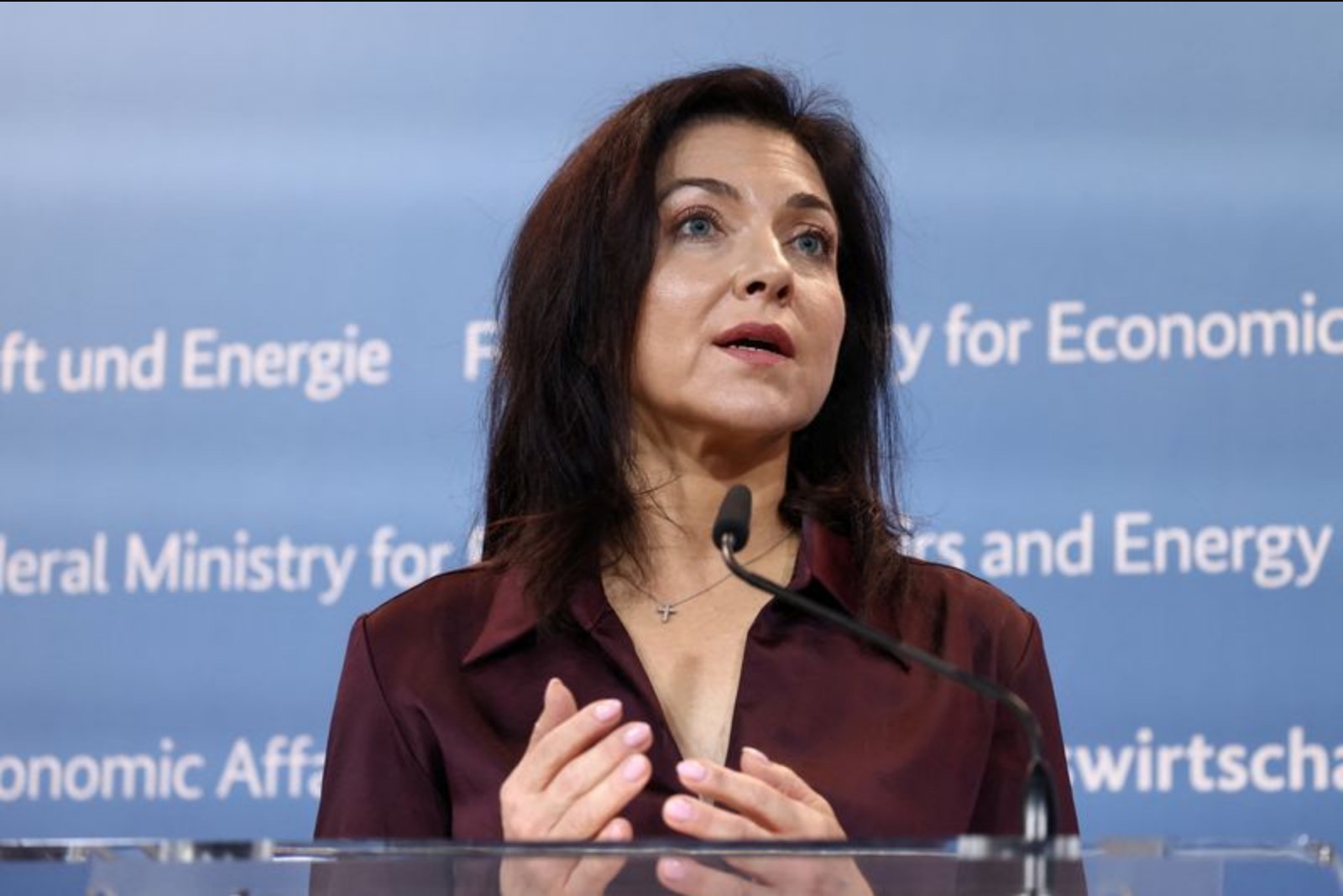
Germany's economy minister on Friday proposed expanding tax relief for people who travel long distances to work and for parts of the logistics industry, while firmly dismissing a competing proposal from the coalition's junior partner for an energy windfall tax. The disagreement has highlighted fractures inside the governing coalition over how best to respond to surging fuel costs.
The minister said support measures should be carefully targeted and concentrated on the areas facing the greatest burden. "The measures must be targeted. They must be directed at those areas where the burden is greatest. These include commuters or the logistics sector," she told reporters.
Under existing rules, Germany provides tax relief for commuters that scales with distance travelled, allowing taxpayers to deduct a portion of travel costs between home and a primary workplace from taxable income. The minister urged increasing such breaks and also called for lower diesel taxes for trucks and more direct payments to those who travel long distances to work as temporary relief measures.
Her comments came amid heightened pressure from the Iran war, which the article said has driven countries including Germany to contend with what is described as the biggest-ever disruption to global energy supplies. That shock has struck while Europe’s largest economy already faced weak growth and global tariff tensions.
The proposal for targeted commuter relief put the minister at odds with a plan put forward by the government’s junior coalition partner, which had advocated an energy windfall tax. The minister criticised that windfall tax idea as "expensive and ineffective," and stated the proposal likely ran afoul of Germany’s constitution. "I categorically reject the windfall tax," she said.
The Social Democrats responded quickly. Their Deputy Parliamentary Group Leader, Esra Limbacher, said the minister was unfit for her role, accusing her of acting as if she represented oil companies rather than cooperating with the coalition partner to deliver aid for small businesses. "It is regrettable that an economics minister sees herself as a representative of the oil companies instead of working with her coalition partner to provide relief for the many small businesses," Limbacher told the Rheinische Post newspaper.
Germany has already enacted some measures to ease pressure at the pump, including limiting petrol stations to a single price increase per day. The debate between targeted commuter and logistics support and a broader windfall tax underscores tensions over the appropriate policy response as policymakers seek to shield households and businesses from rising fuel prices.
Summary: The economy minister advocates larger, targeted tax breaks for commuters and logistics firms while rejecting a proposed energy windfall tax, intensifying coalition tensions amid a major disruption to global energy supplies.