
Market reaction and context
Oil benchmarks slid roughly 10-15% after reports of a ceasefire between the U.S. and Iran and a conditional agreement to allow limited passage through the Strait of Hormuz. Barclays analysts noted the immediate market response and warned that oil equities could face near-term pressure even as headlines calmed traders.
Barclays assessment
In an investor note, Barclays framed the price move as significant but cautioned that it did not eliminate ongoing uncertainties. "Oil prices are down 10-15% this morning following the two-week ceasefire in the Middle East, and we expect the oil equities to be under pressure in the short term," the bank said. That assessment frames the drop as a reaction to a potential reduction in the risk premium rather than a durable change to supply fundamentals.
Scope of the Strait of Hormuz disruption
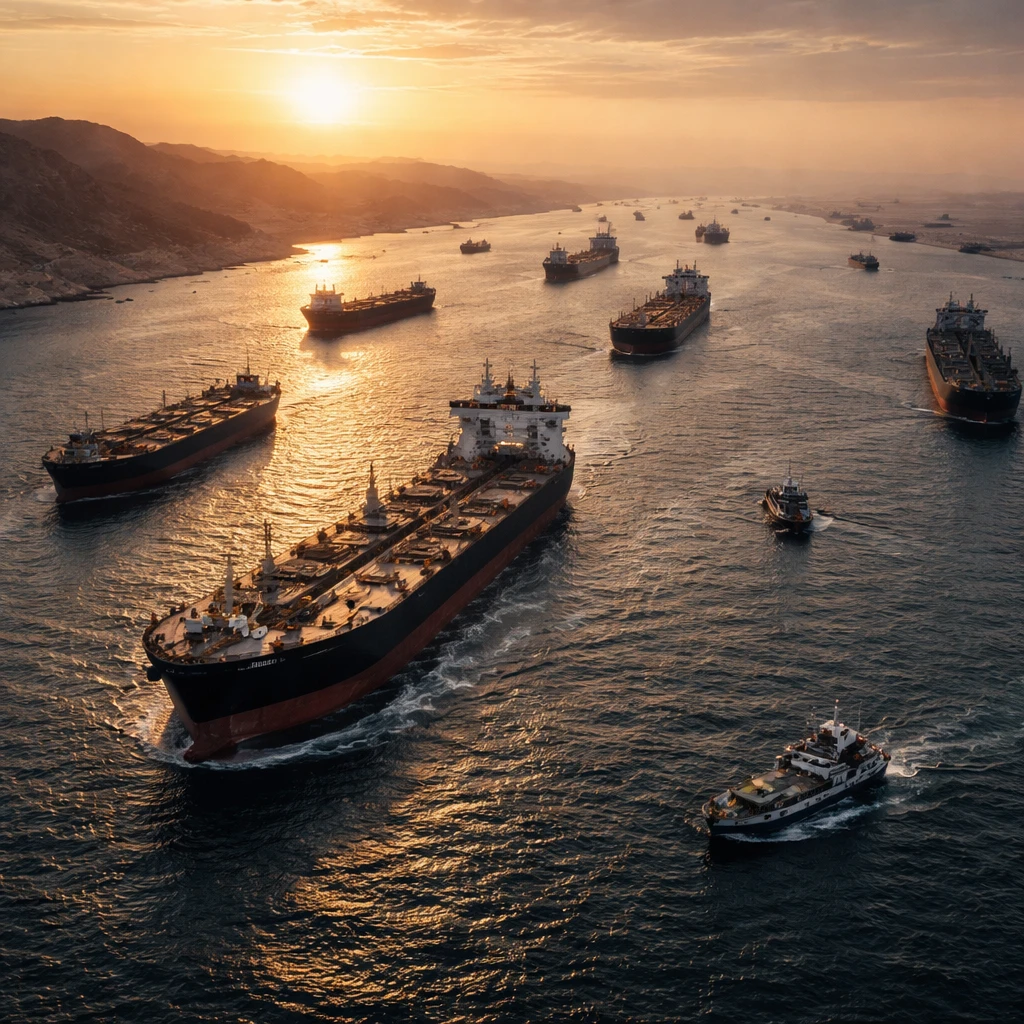
The Strait of Hormuz - which Iran blocked during the conflict - normally handles about one-fifth of global oil and liquefied natural gas shipments. News that the waterway might reopen under tightly controlled conditions prompted a swift retracement in oil prices and helped global equity markets rally on relief that the most severe disruption to energy markets in modern times could be easing.
Terms of the ceasefire and transit arrangements
The ceasefire pauses hostilities that began on February 28, a campaign initiated by Trump and Israeli Prime Minister Benjamin Netanyahu. Their stated objectives were to prevent Iran from expanding its regional reach, dismantle its nuclear program, and create conditions that might allow Iranians to overthrow their government.
Under the terms announced, Iran said it would permit safe passage through the Strait of Hormuz for a limited two-week period - but only under strict coordination with its armed forces. That conditional window is central to analysts' caution because operational constraints may limit the volume of shipments that can resume.
Operational and commercial frictions
Analysts pointed to several practical hurdles that could slow a return to normal export levels. Potential technical constraints, the possibility of transit fees, and the short duration of the opening were all flagged as factors that might dissuade major exporters such as Saudi Arabia and the UAE from immediately ramping up shipments. Even if the temporary corridor allows some tankers to move, it remains uncertain whether that will suffice to restore prior production and export patterns.
Shipping firms have signaled they need stronger assurances on safety before committing vessels. "Any decision to transit the Strait of Hormuz will be based on continuous risk assessments, close monitoring of the security situation, and available guidance from relevant authorities and partners," said container shipper Maersk, as reported by Reuters. That stance highlights how commercial operators prioritize risk management over short-term opportunities to move cargo.
Short window and shipowner incentives
Market participants and analysts stressed that the two-week timeframe is a narrow slot in which to restart flows. There is an open question about whether shipowners will be willing to enter the strait if there is a risk of being stuck for the duration of the window. Barclays described the arrangement as "a highly conditional opening of the Strait," underlining that practical reluctance could mute the market impact of the ceasefire.
Monitoring metrics and next steps
Going forward, observers said they will watch the number of ships entering and leaving the strait as a primary indicator of recovery. Those vessel movements will offer the clearest near-term signal on whether the temporary arrangement is translating into increased exports, or whether logistical and commercial deterrents keep flows constrained and maintain an elevated risk premium in oil markets.